das.os01
Control. Measure. Optimise.Align generation, storage, consumption and charging times. Measure energy flows and reduce peak loads in a targeted way.
Discover das.os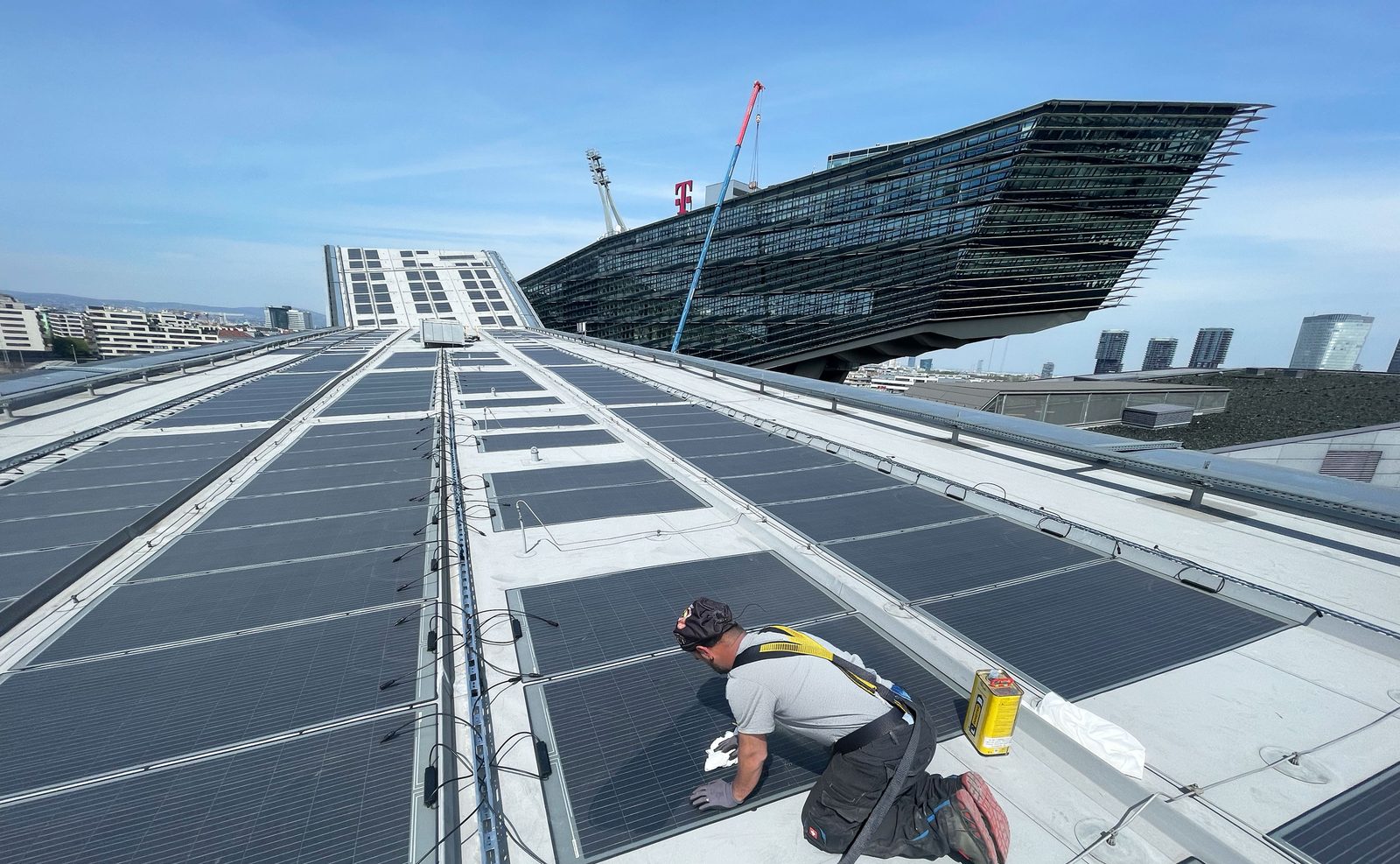
 Stationary energy systems
More energy from every square metre.
We activate your building's roof, facade and open areas and connect them into an intelligent energy system.
Completed reference · Industrial and commercial roofs
Grid fees are rising, prices fluctuate, peak loads hit the bill twice. Anyone who doesn't generate their own power renegotiates every year – without a negotiating position.
das.energiesystem combines energy components and system platform into one overall system. This is how your power plant is created – tailored to your site and your energy demand, from generation to ongoing operation.
Energy componentsSystem platformdas.energiesystem
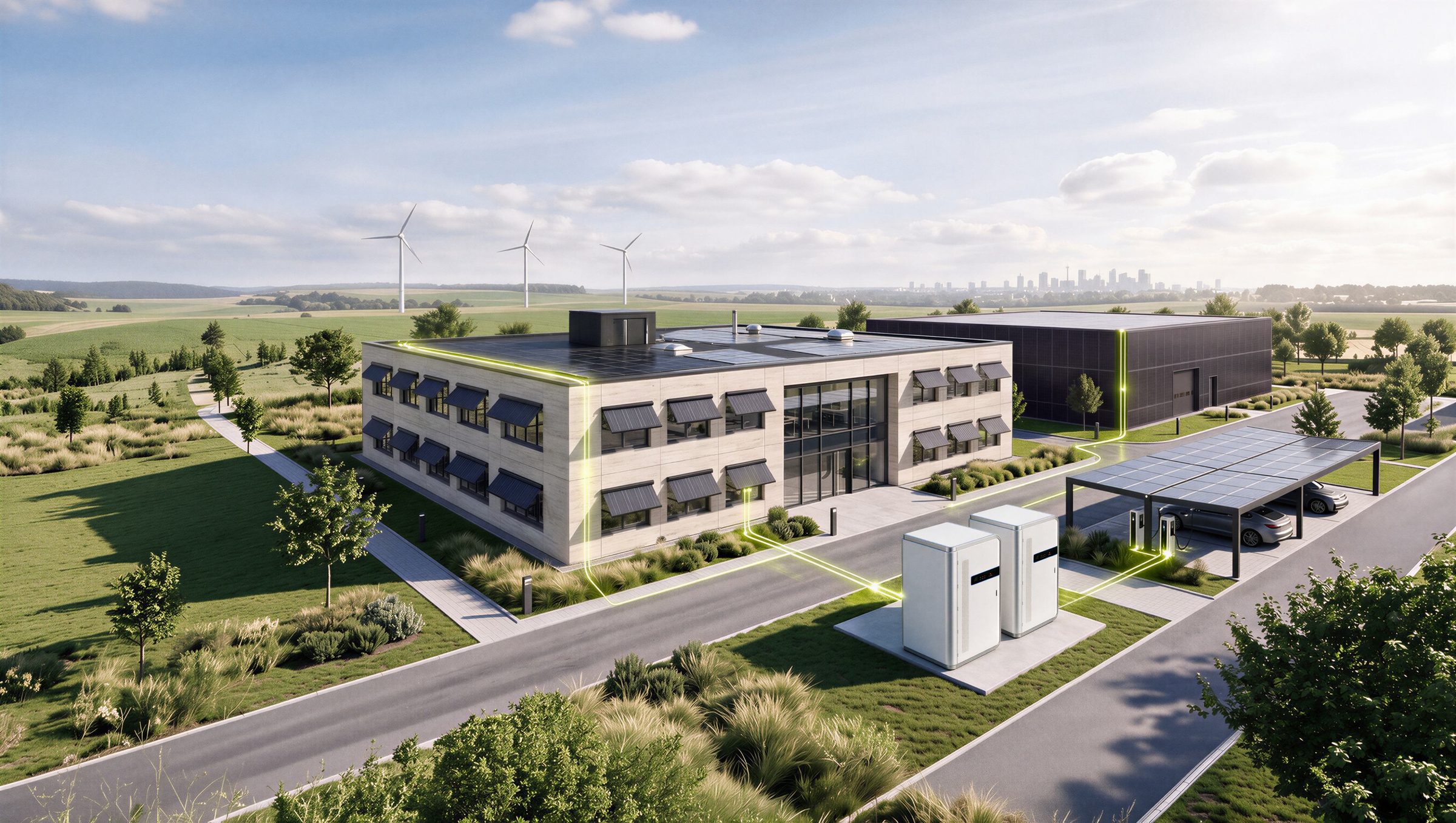
Generate · Store · Use · Control
Pay-per-Power leasing model
PV rated outputs apply under standard test conditions for the version described in each case. Area figures refer to the module or solar fabric area. Module weights without fastening and substructure. System output, expandability and installation are designed for each project.
Purchase or pay-per-power
Buy outright or finance through our pay-per-power leasing model. Together we find the right model for your project.
* Leasing model, subject to credit assessment. Conditions depend on project size, location, consumption profile, term and technical design.
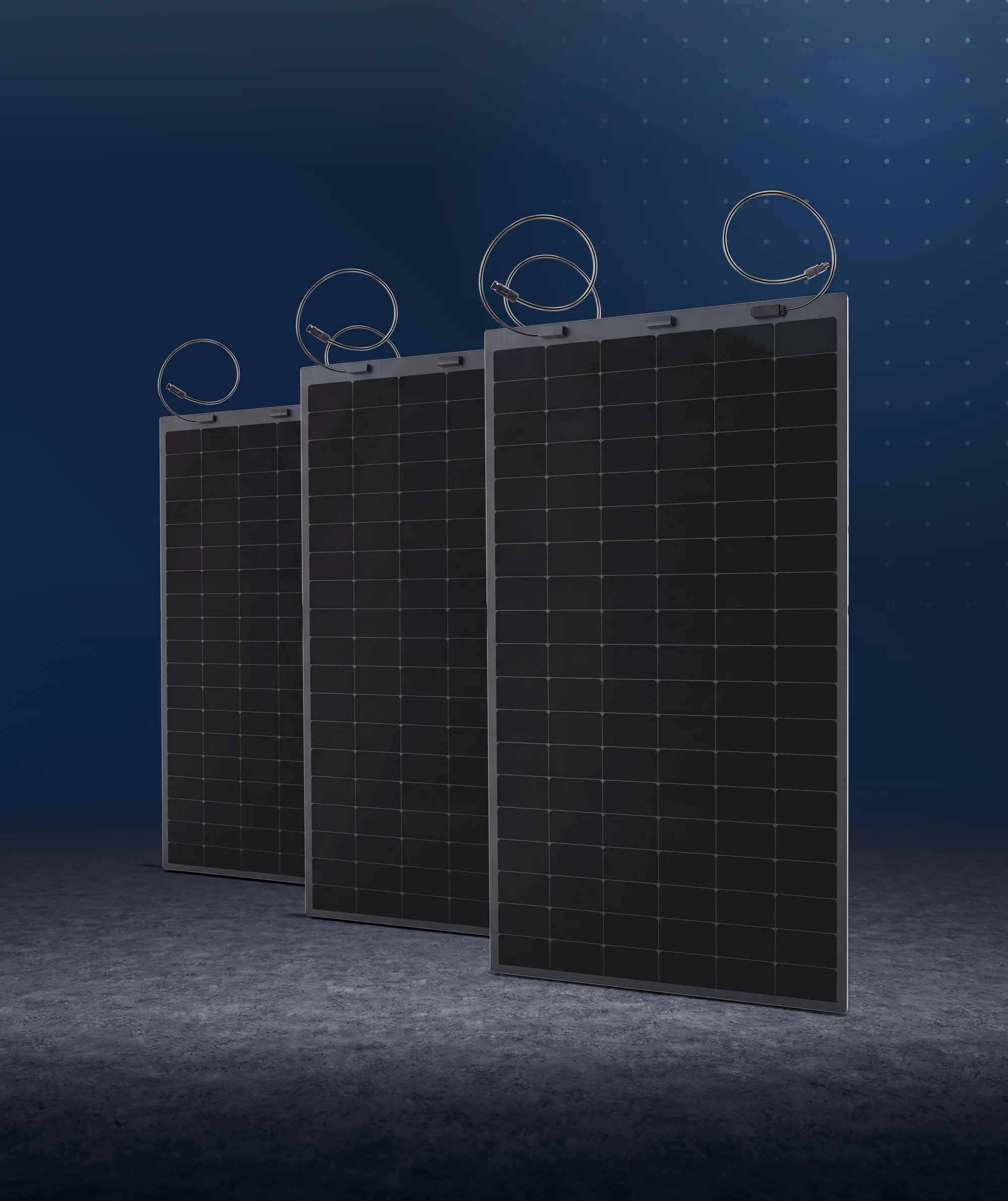
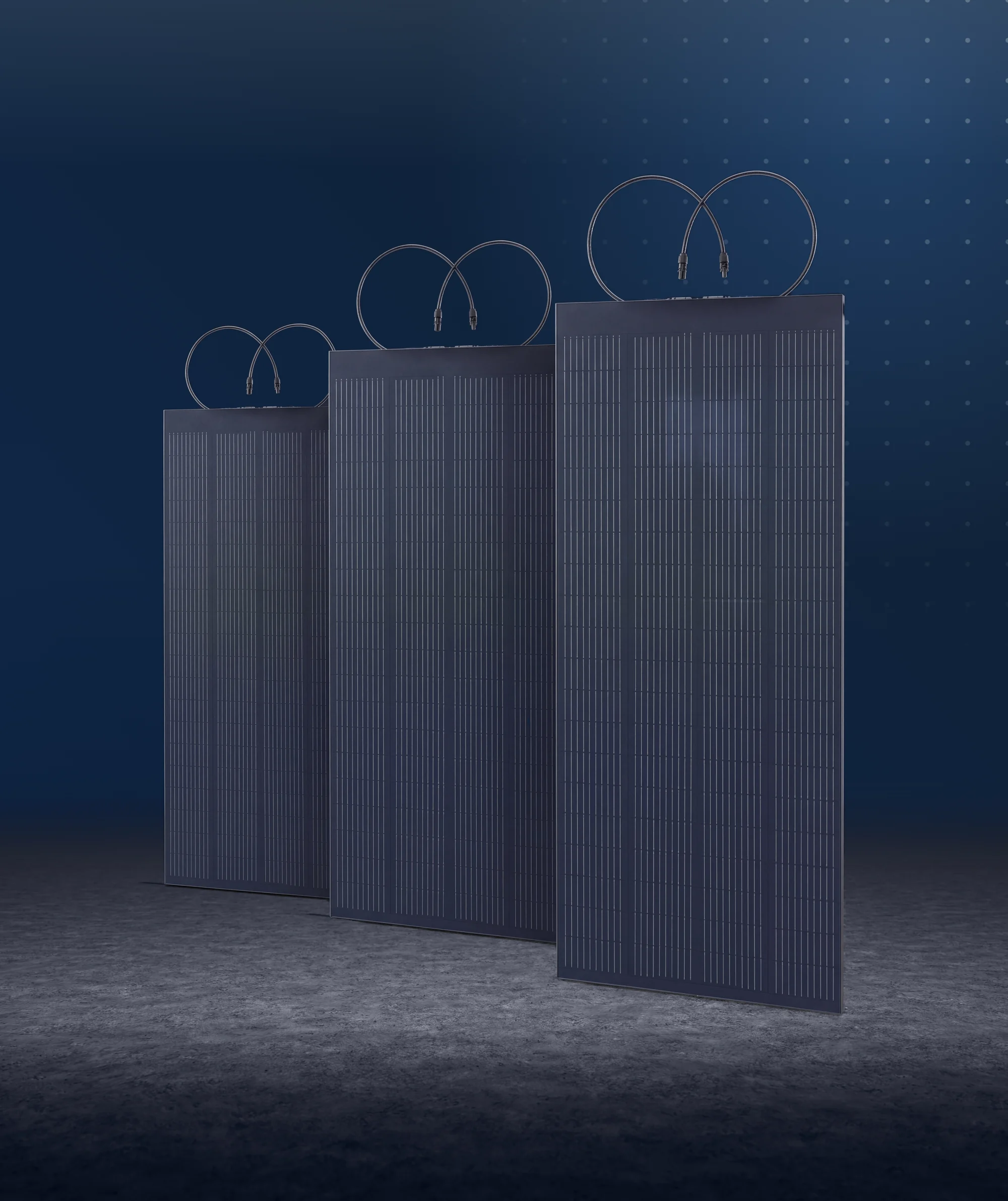
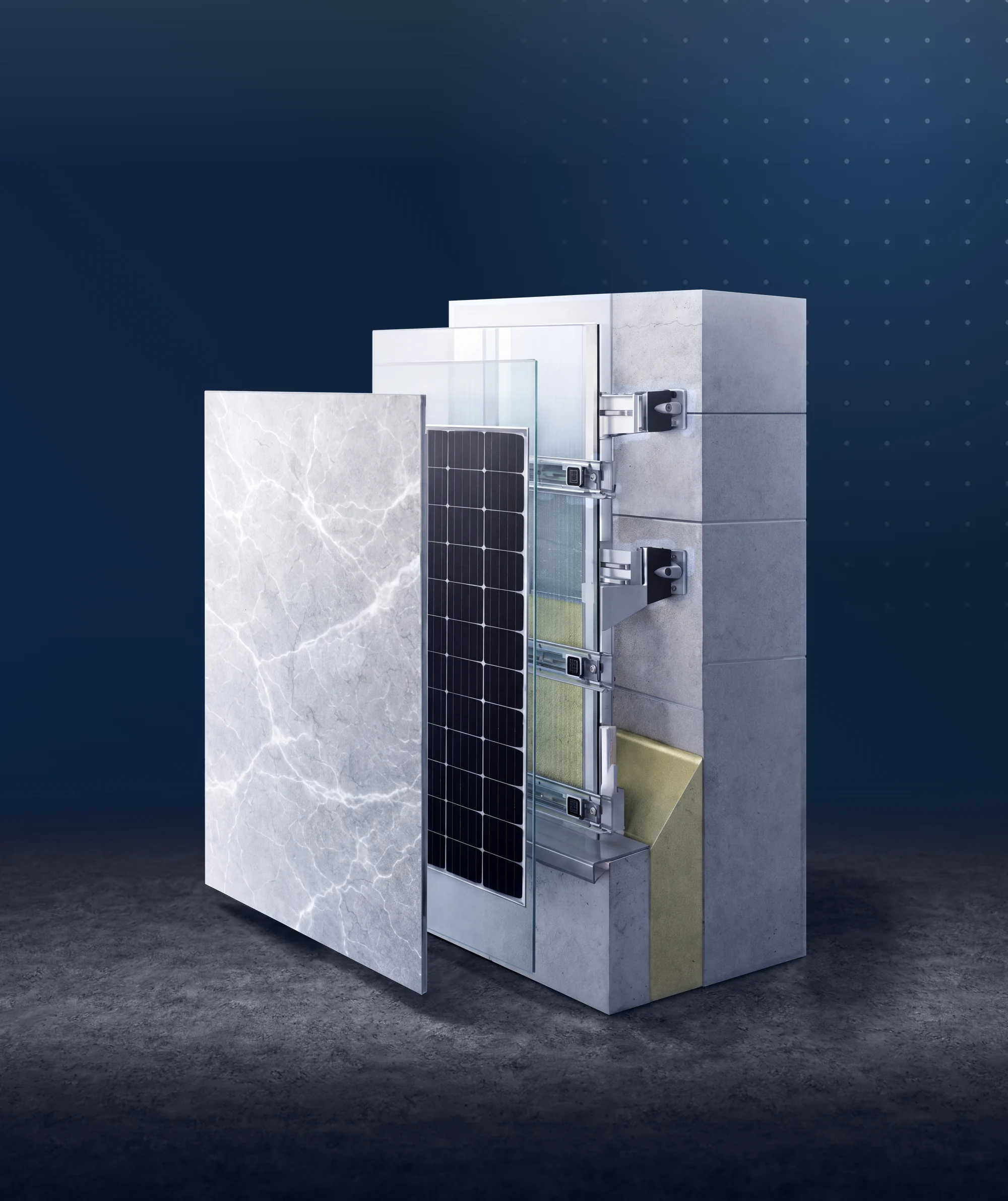
Photovoltaics, storage, inverters and charging infrastructure form the hardware of your das.energiesystem – for buildings, sites and mobile applications.
 Generate
 Generate
 Generate
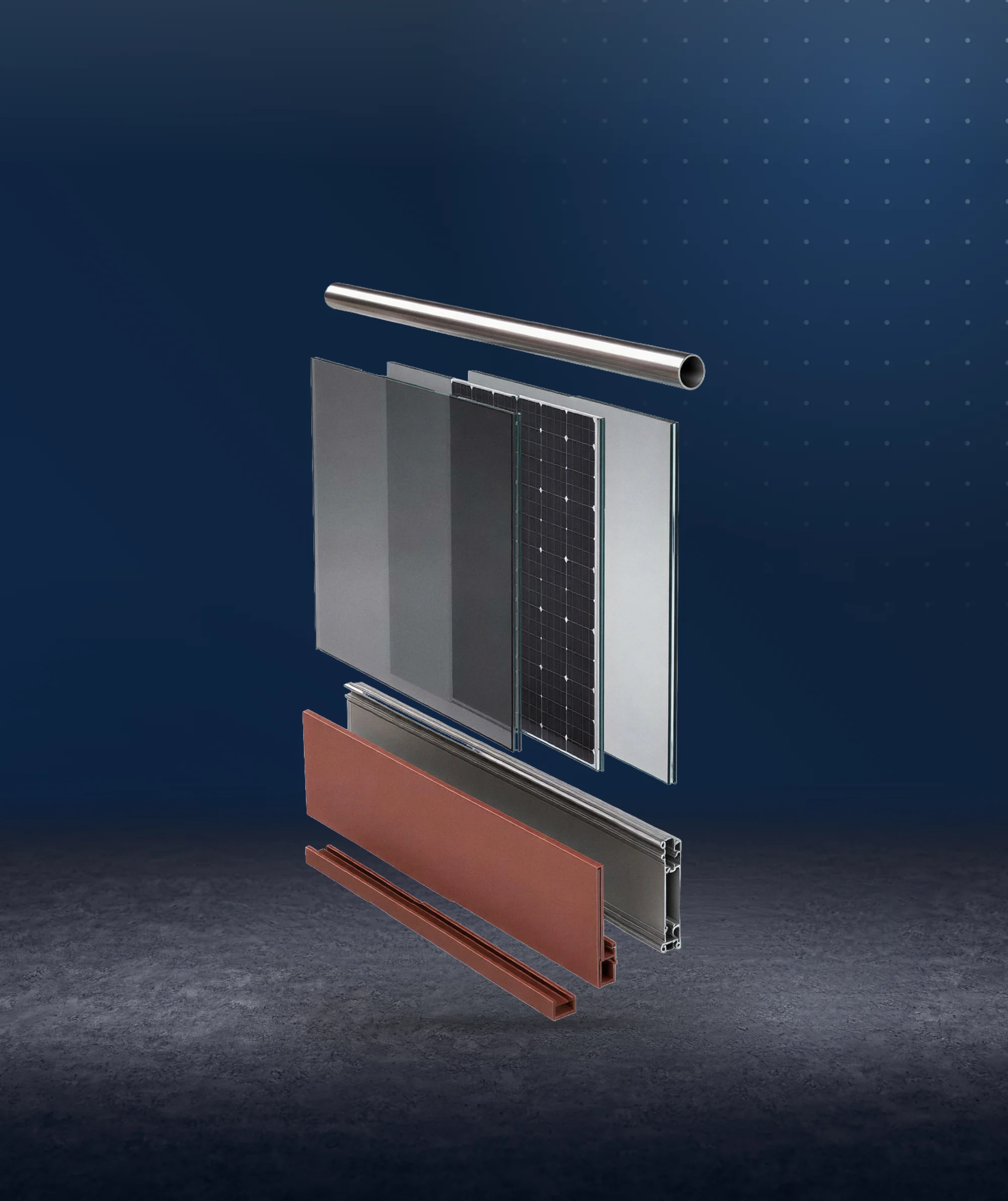 Generate
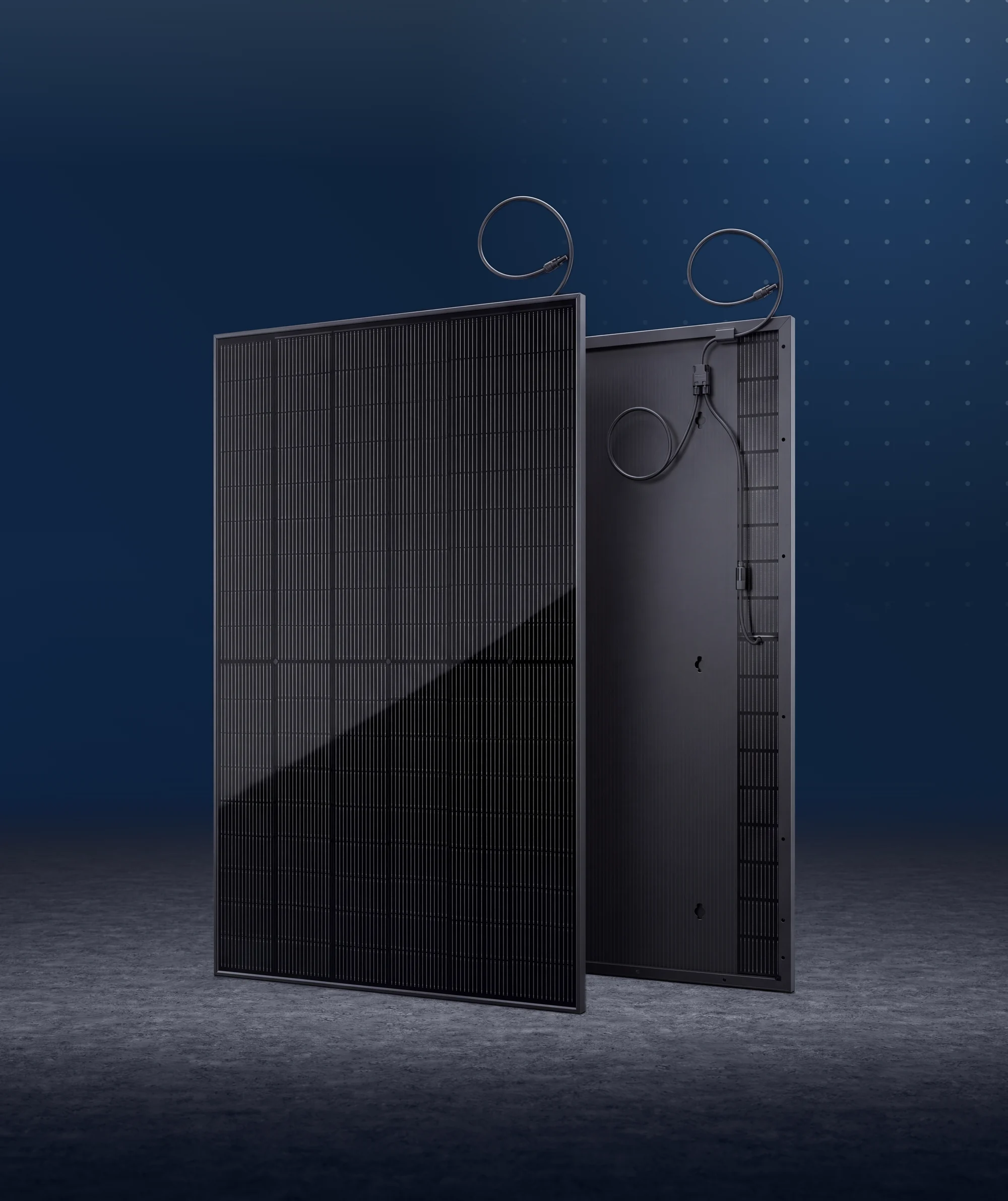 Generate
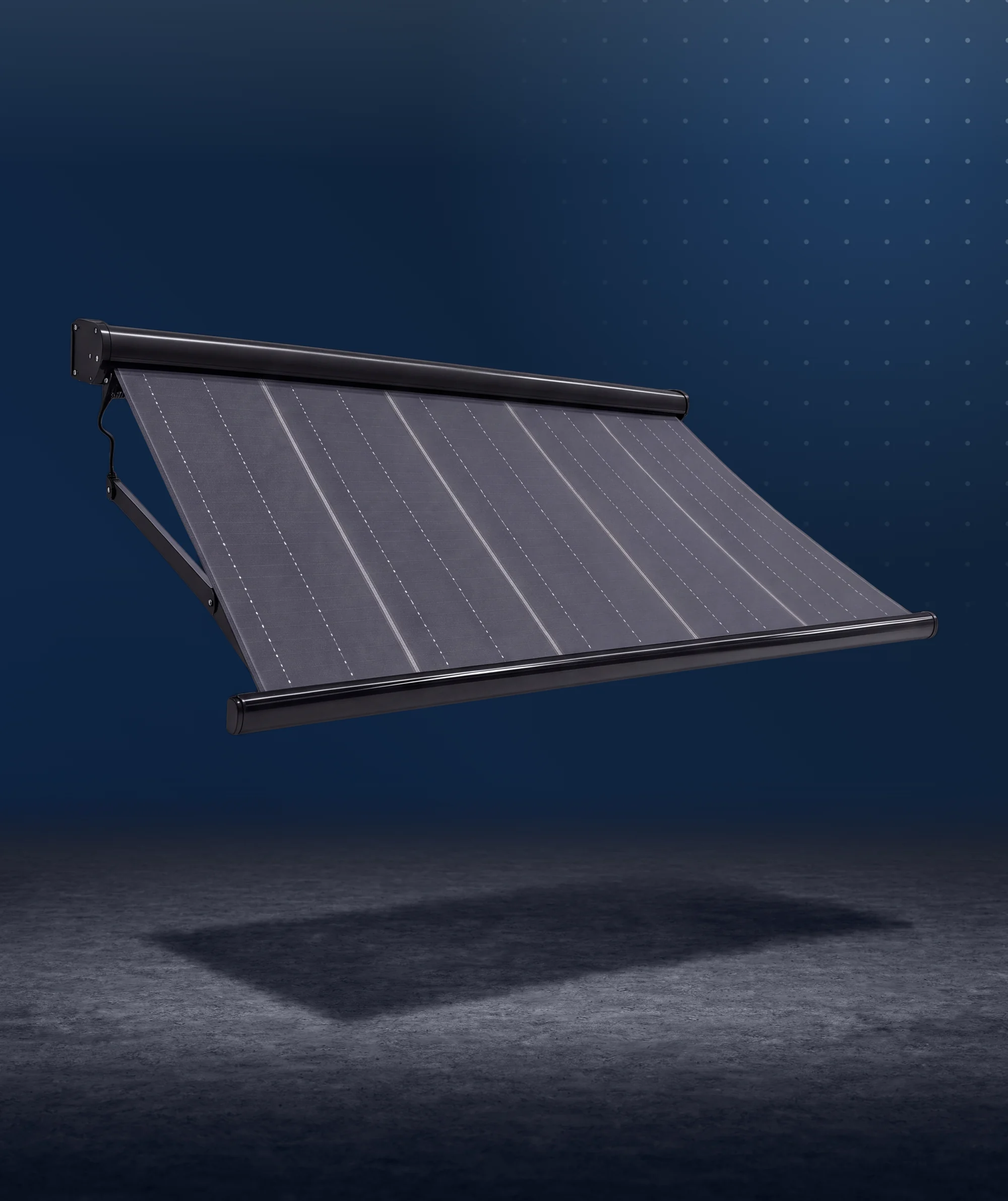 Generate
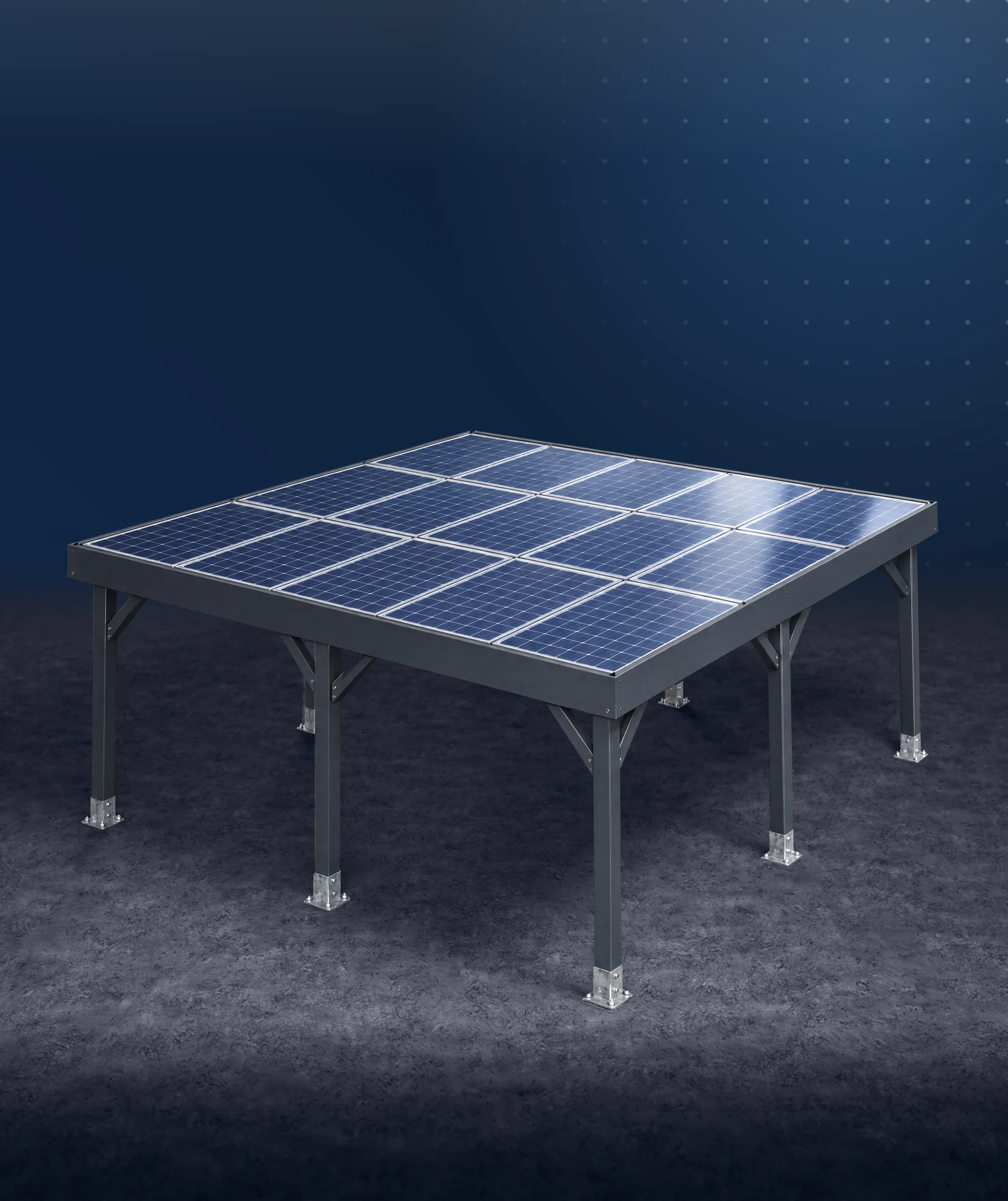 Generate
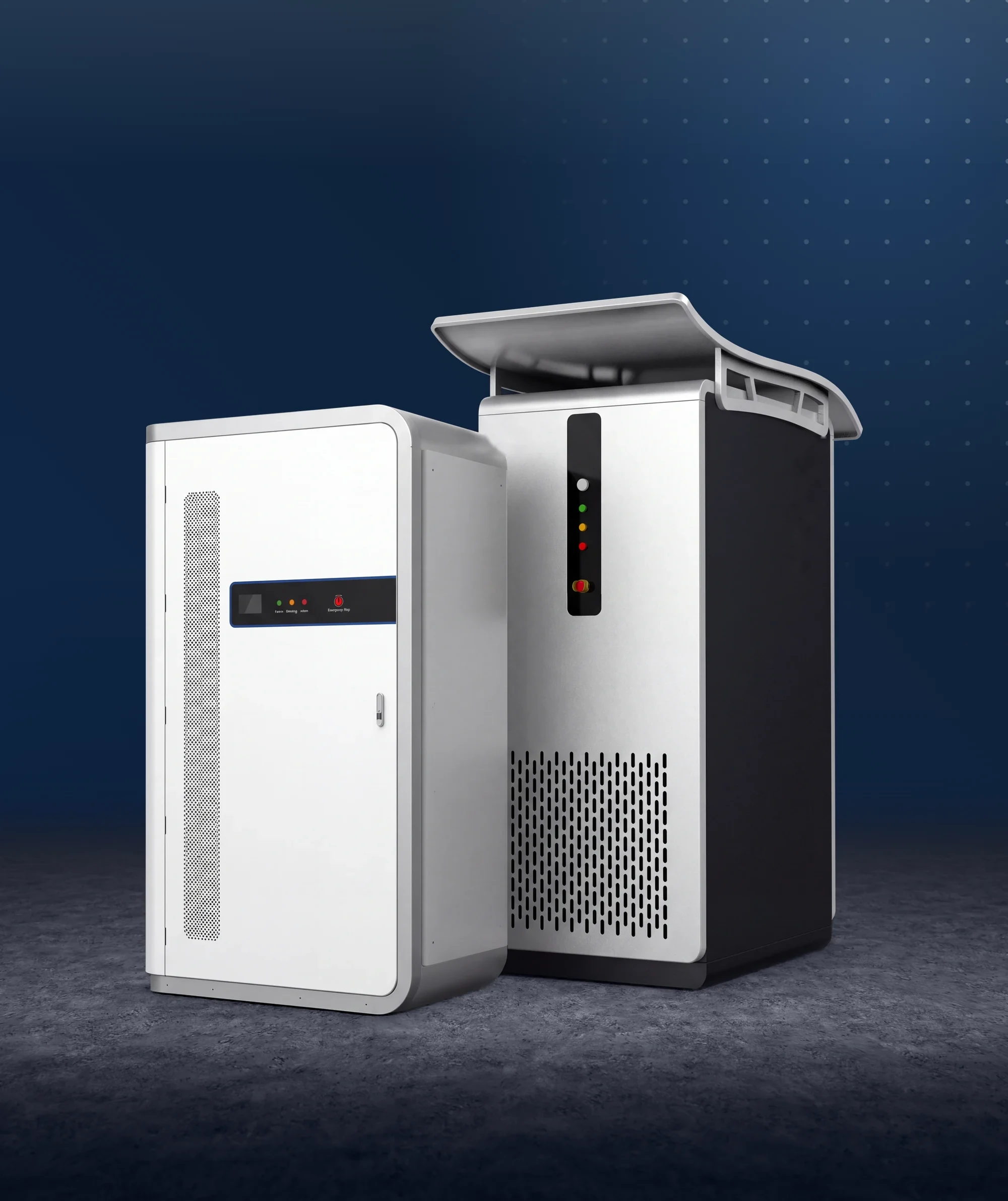 Store
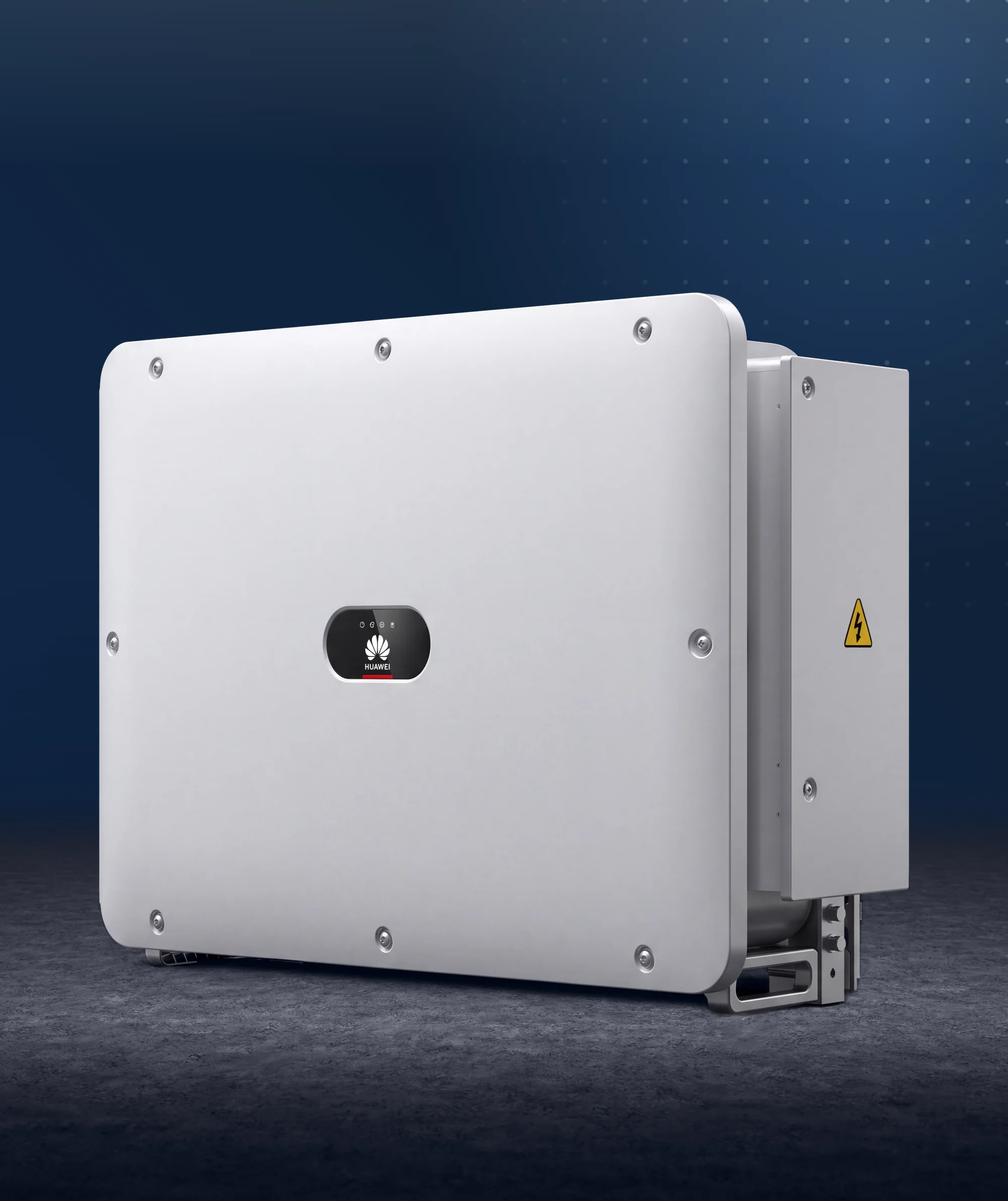 Convert
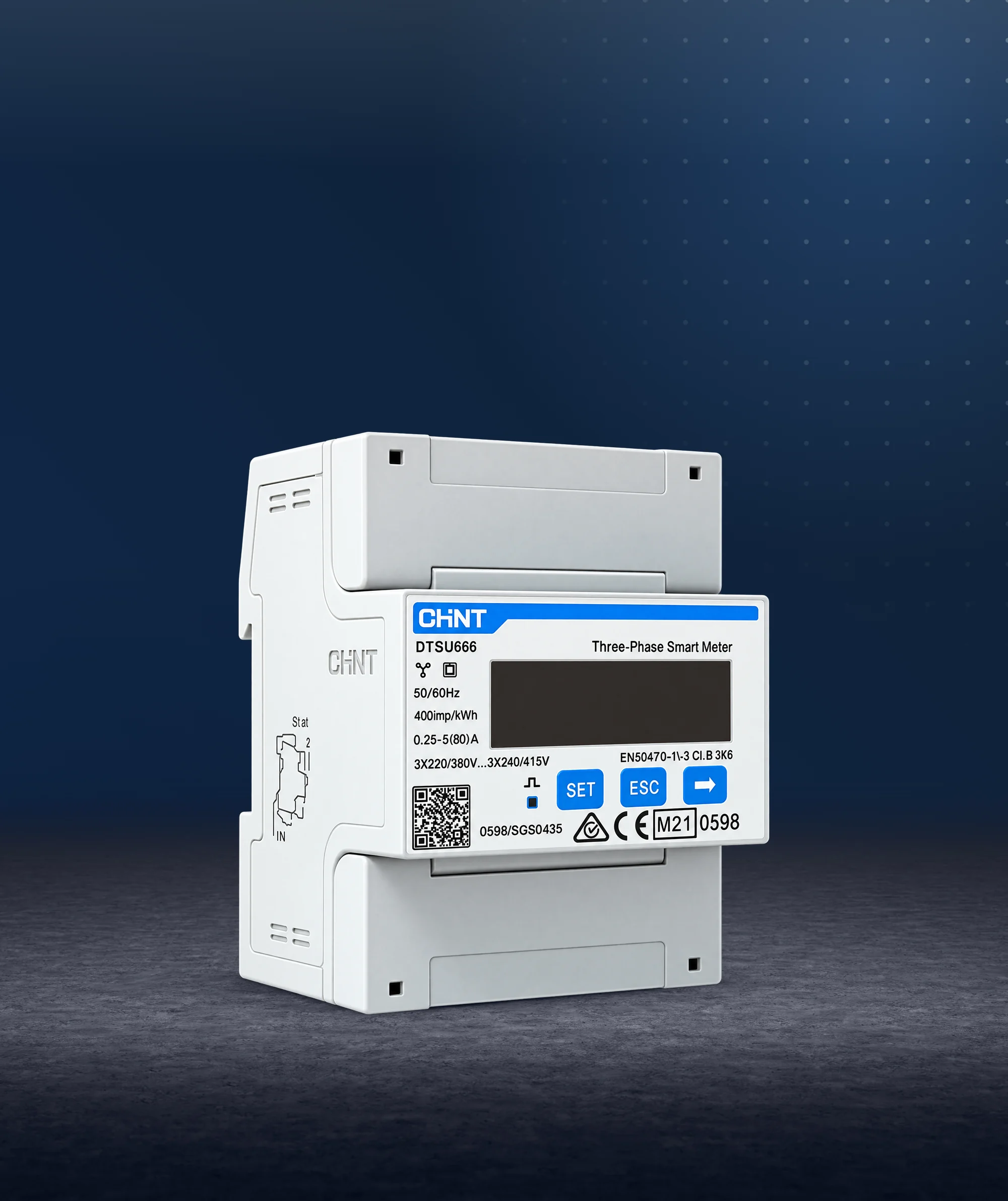 Measure
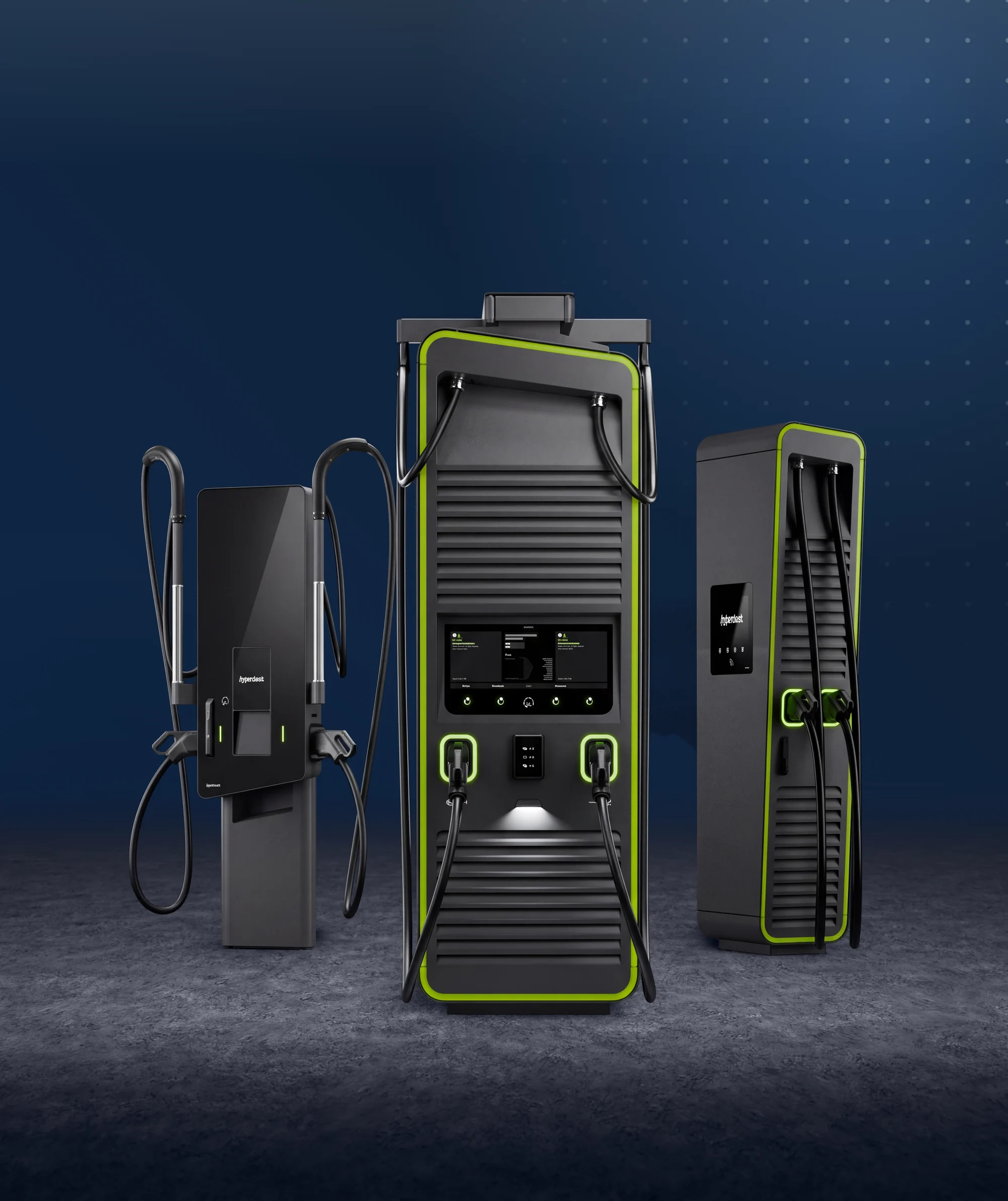 Charging
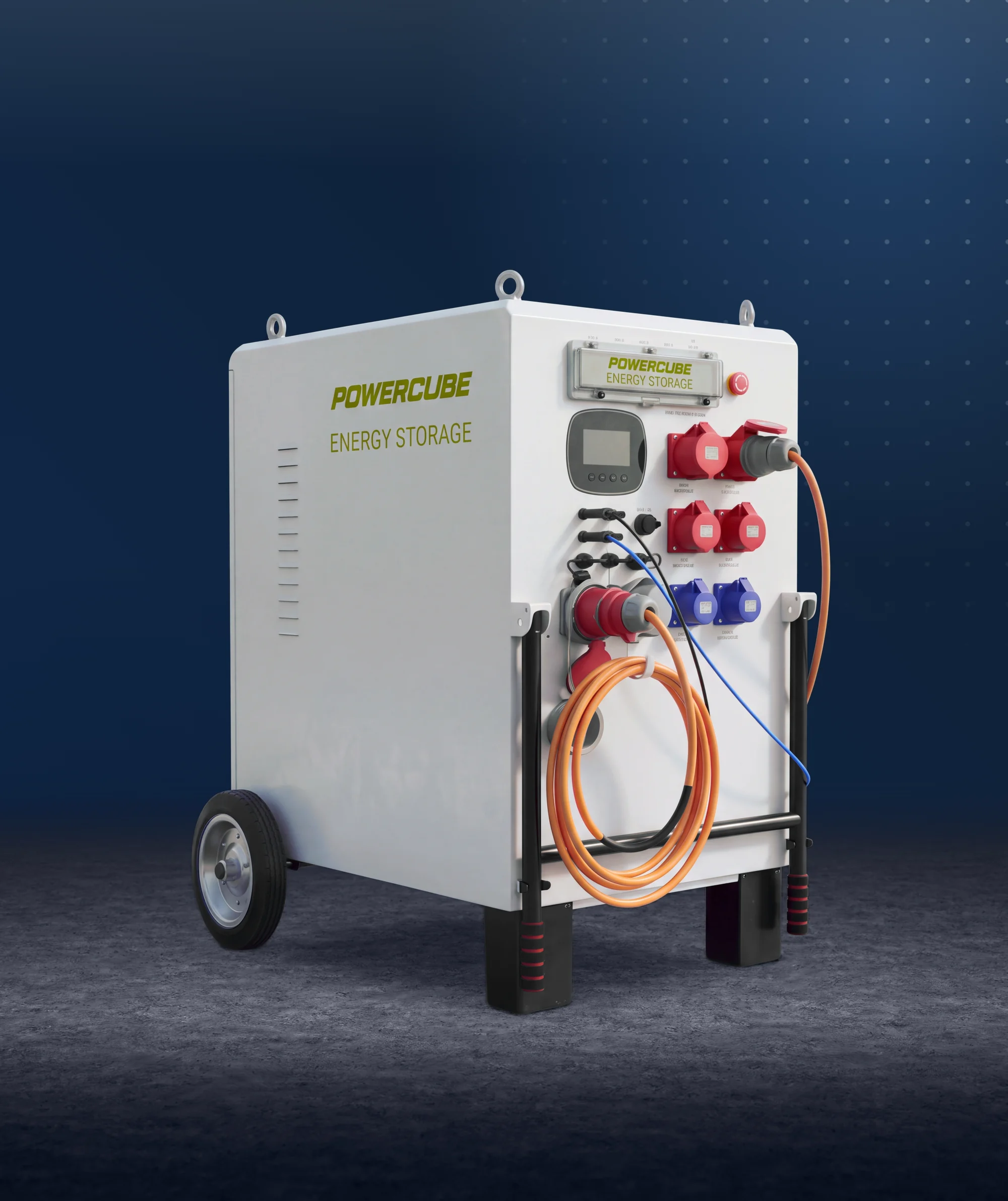 Mobile energy
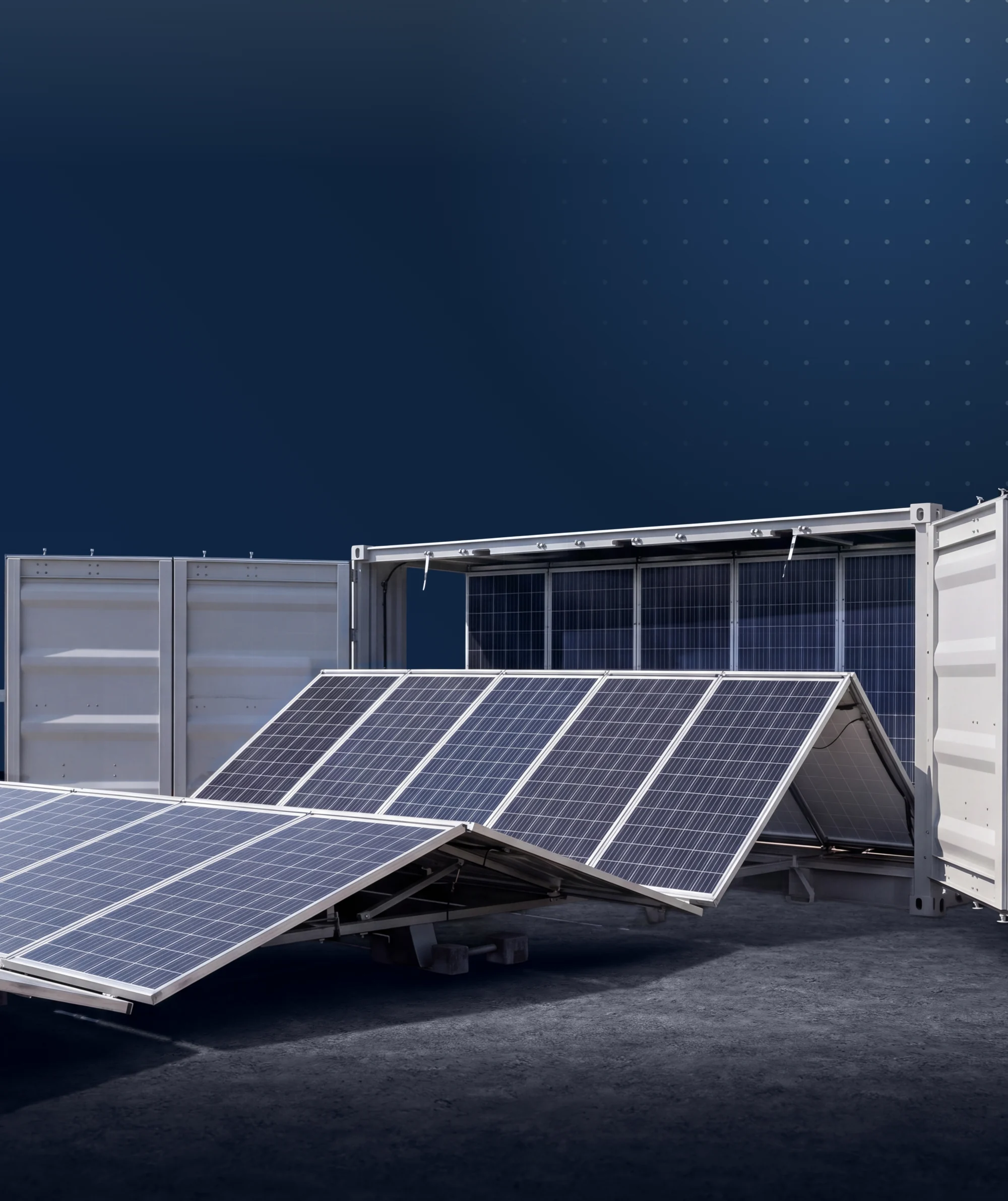 Mobile energy
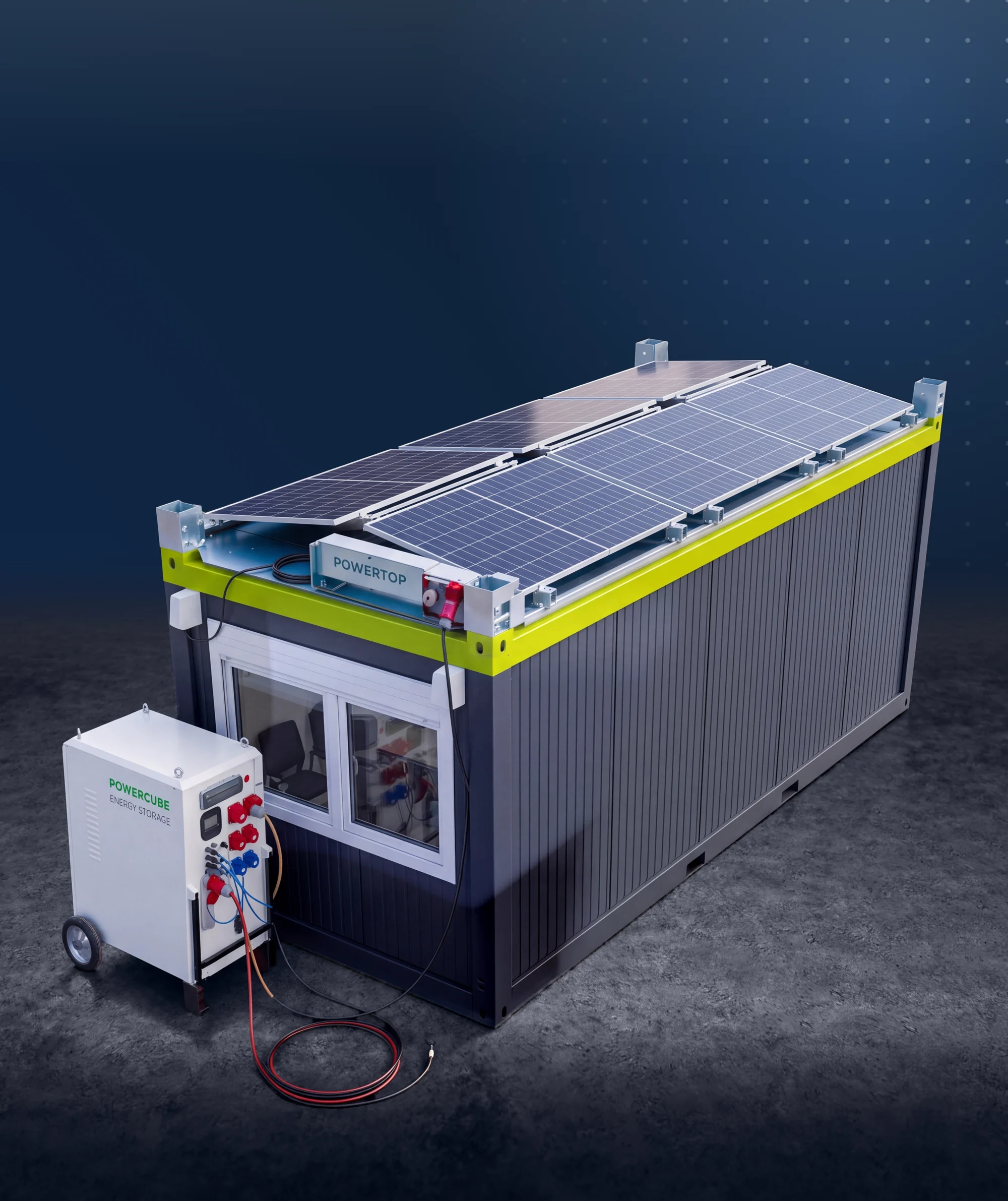 Mobile energy
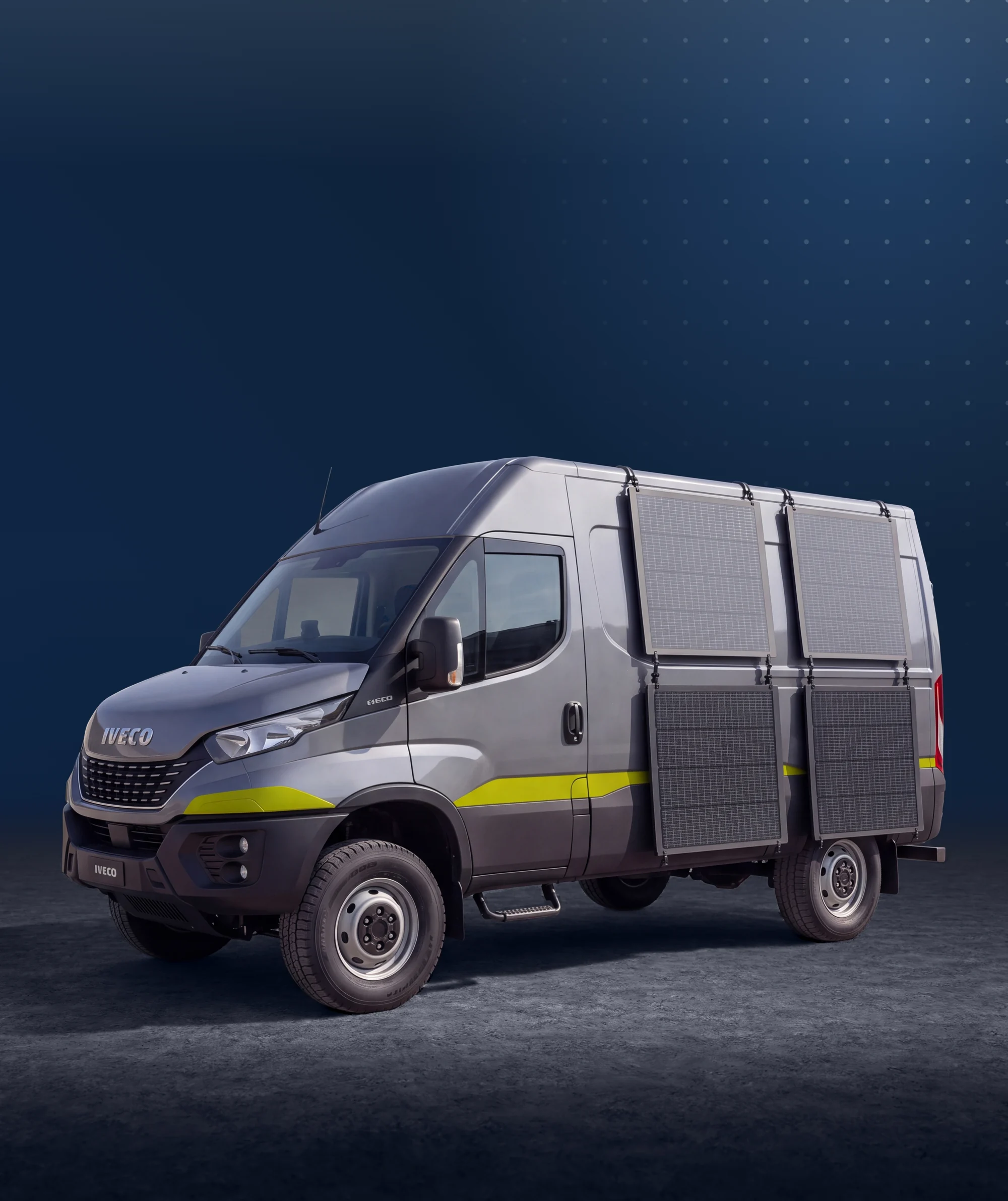 Mobile energyMobile energy
PV output figures refer to standard test conditions and the version described in each case. Figures per m² apply to the module or solar fabric area; lm means linear metre. Module weights without fastening and substructure. Technical design and installation are project-specific.
Control, finance and support: the system platform complements the hardware with energy management, financing, energy supply and ongoing service. To do so, it connects the three areas das.os, das.flow and das.care.
Align generation, storage, consumption and charging times. Measure energy flows and reduce peak loads in a targeted way.
Discover das.osCombine purchase or leasing with green electricity, residual power supply, insurance and ESG requirements.
Discover das.flowSupport your power plant in operation – with service, monitoring, measurements and ongoing care.
Discover das.careNo two buildings are the same. That is why we combine our technologies to suit use, architecture, energy demand and economic viability.
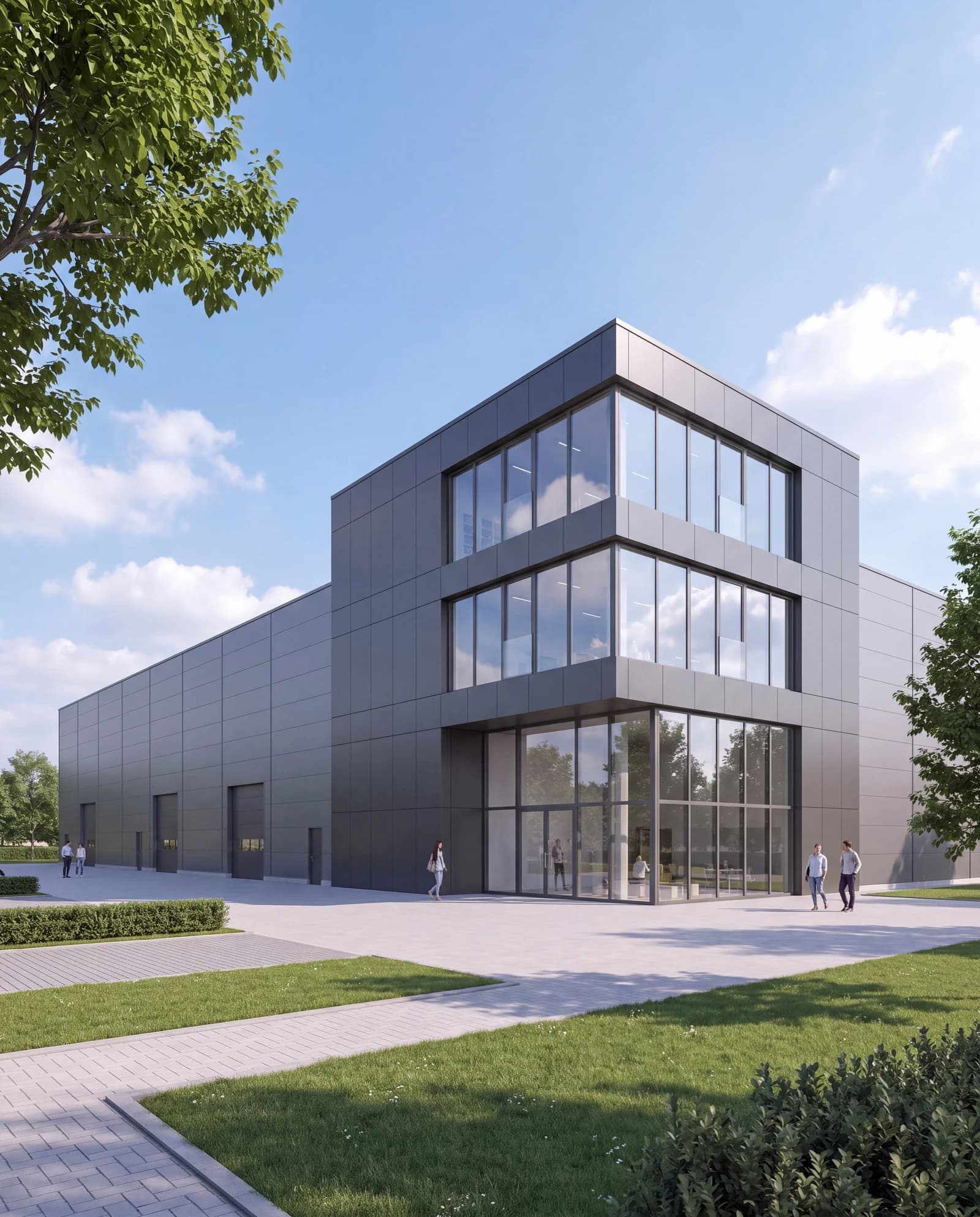
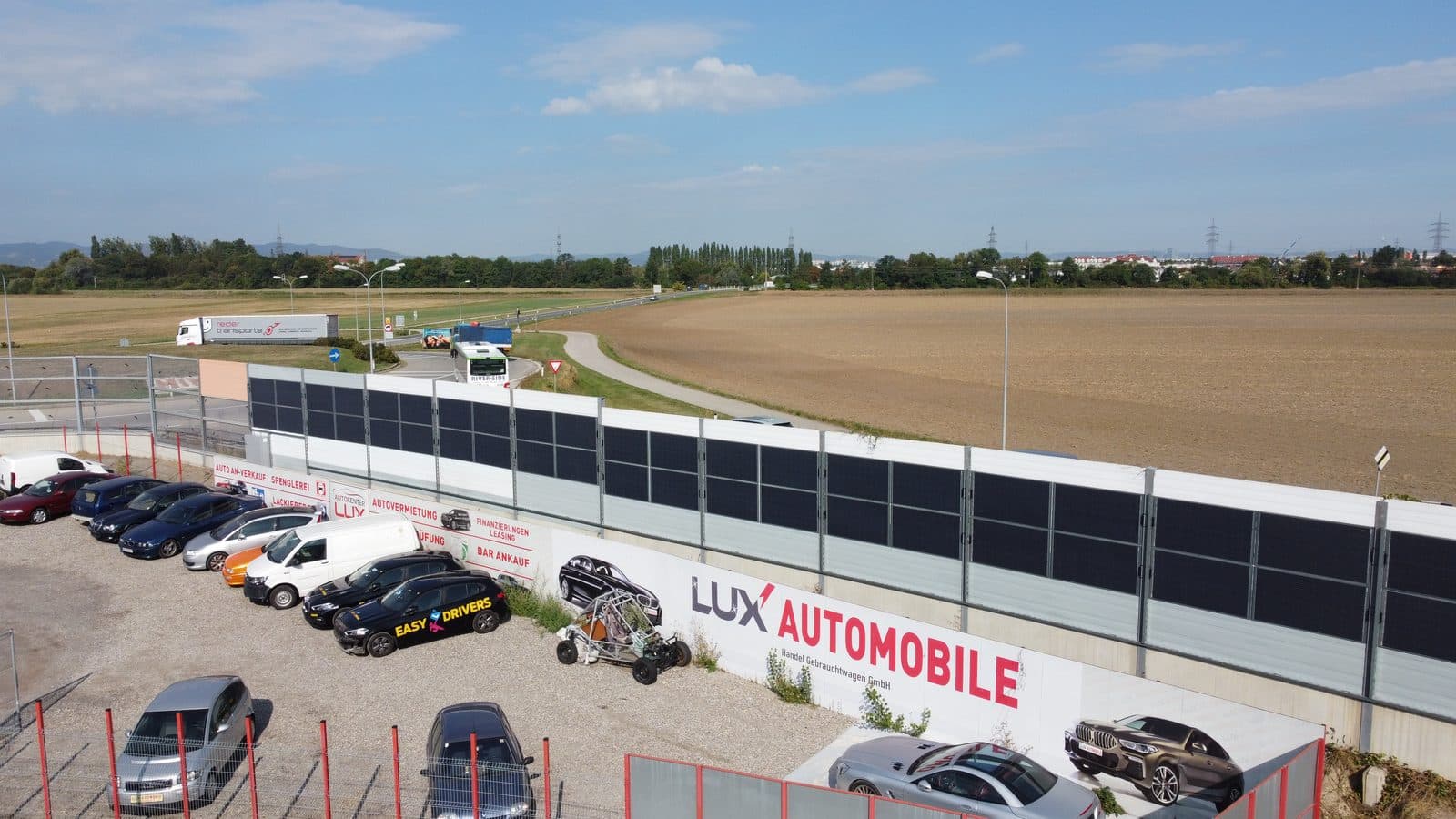
Large surfaces. High energy demand. Maximum self-generated power use.
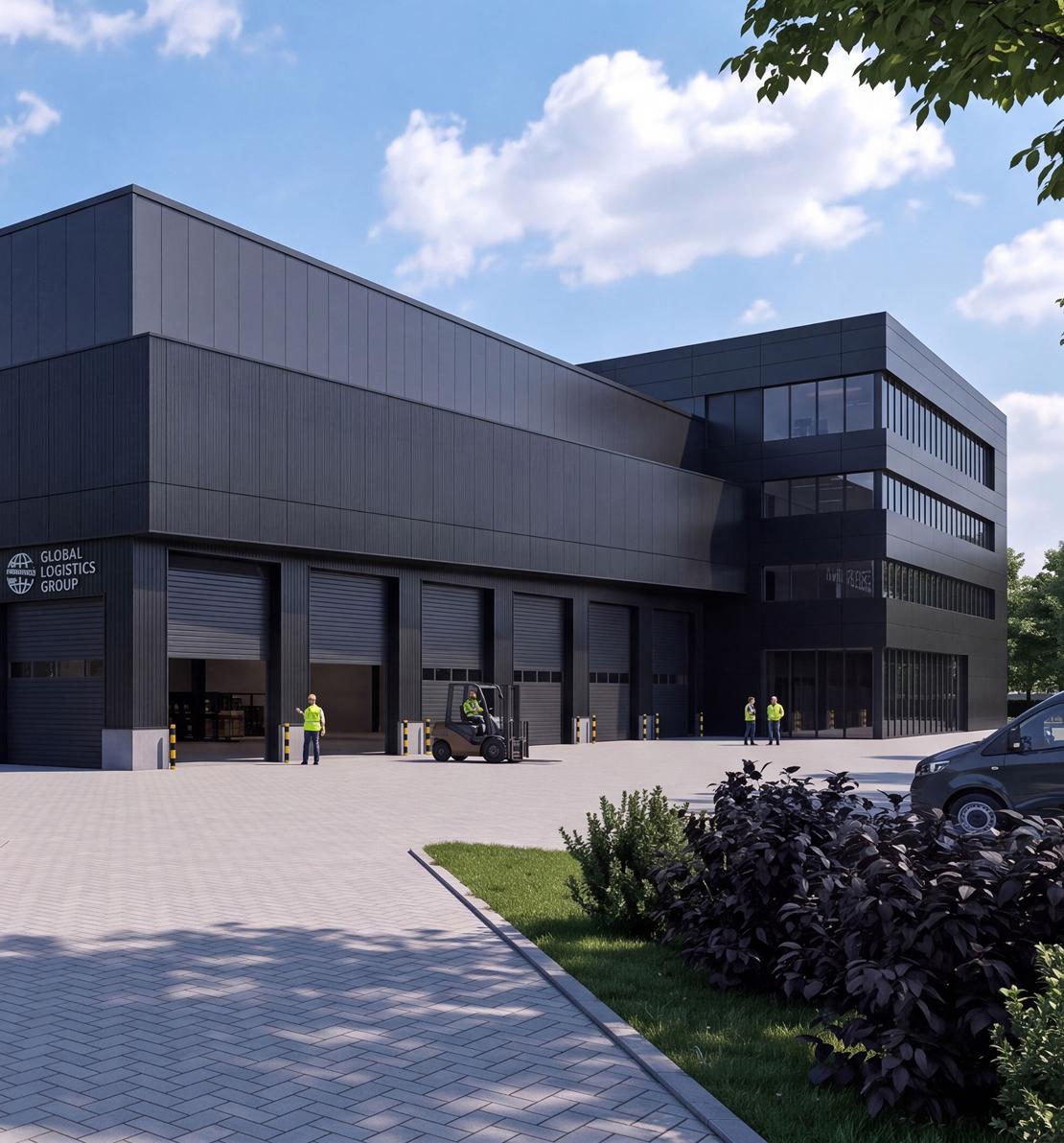
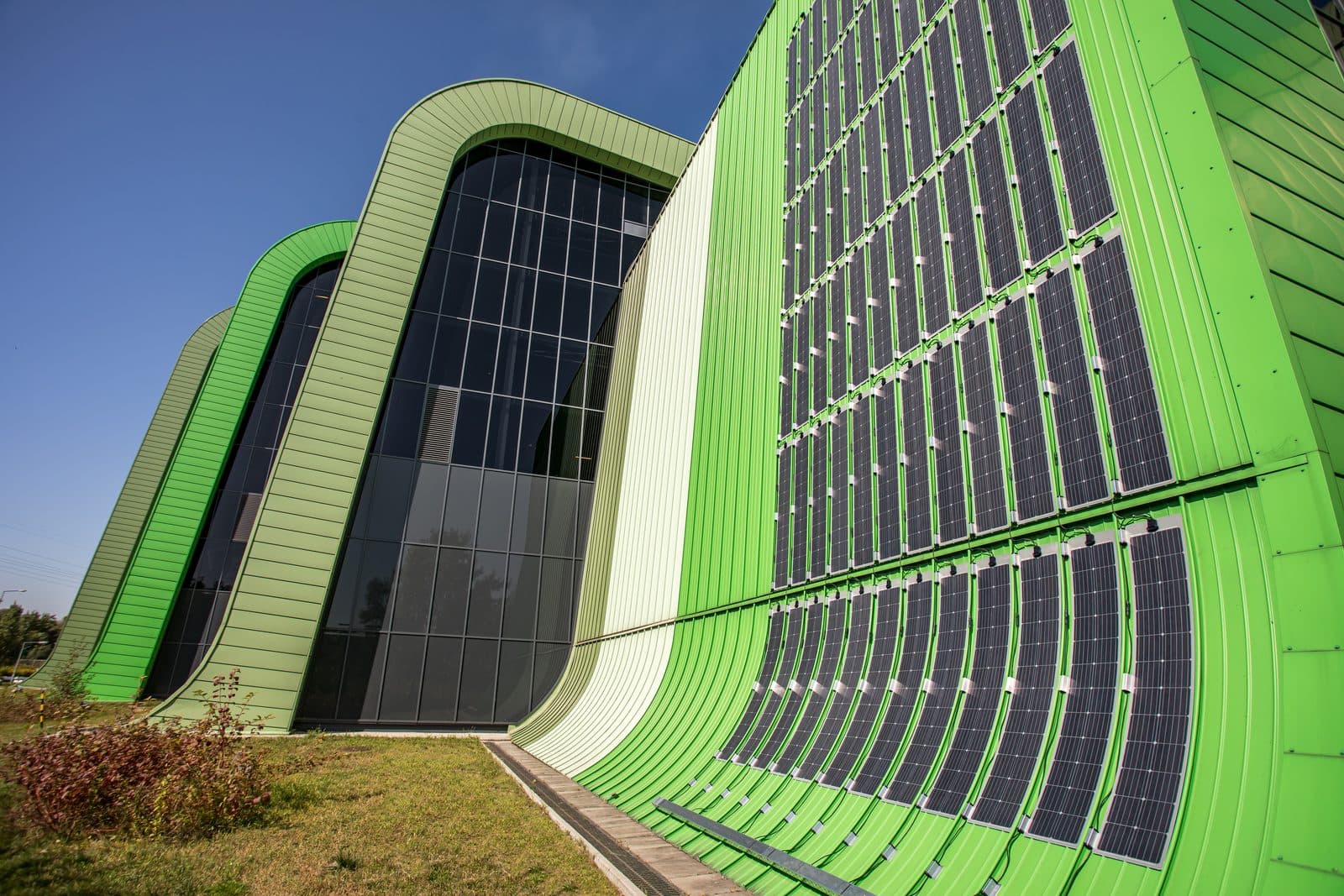
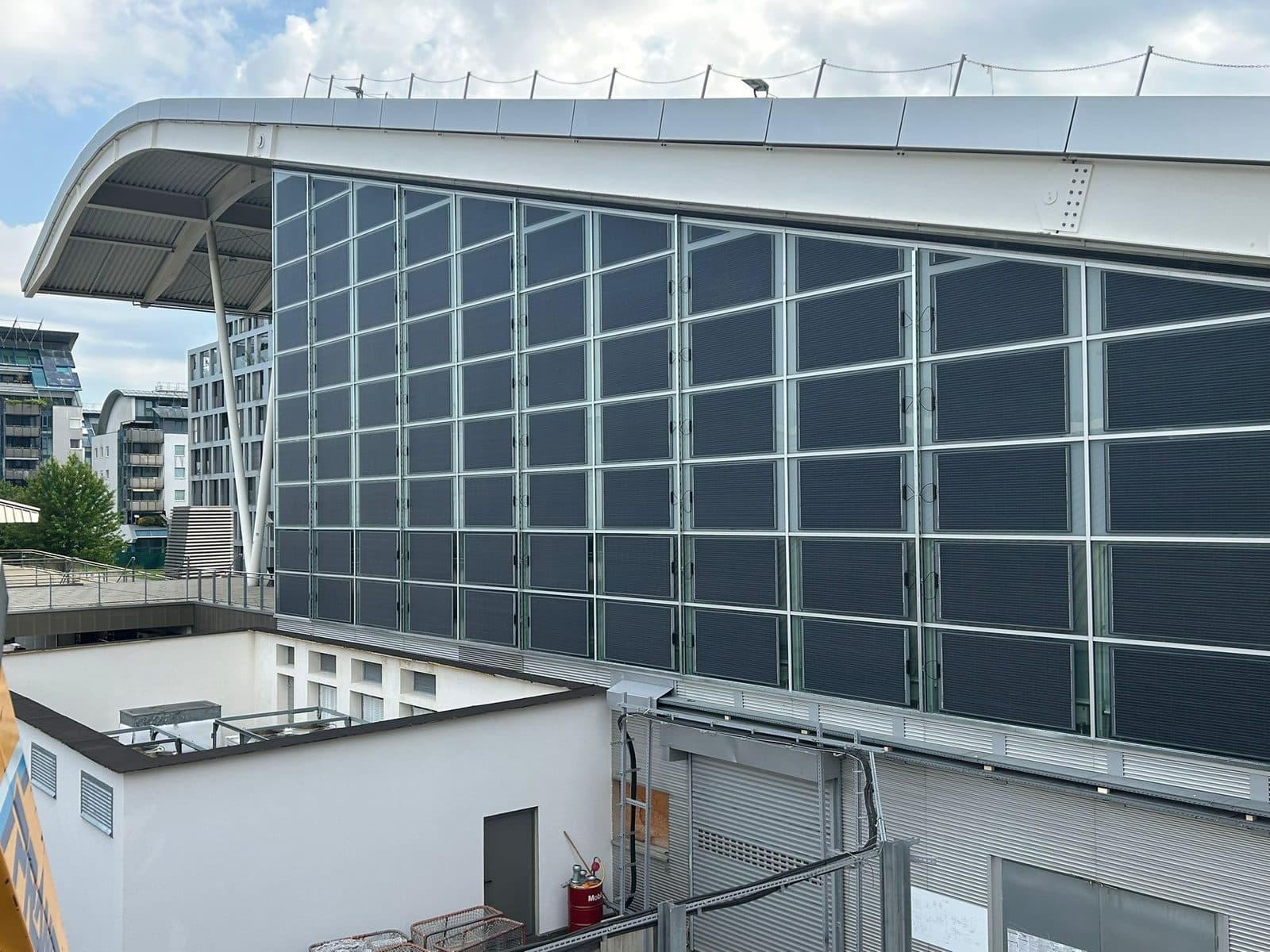
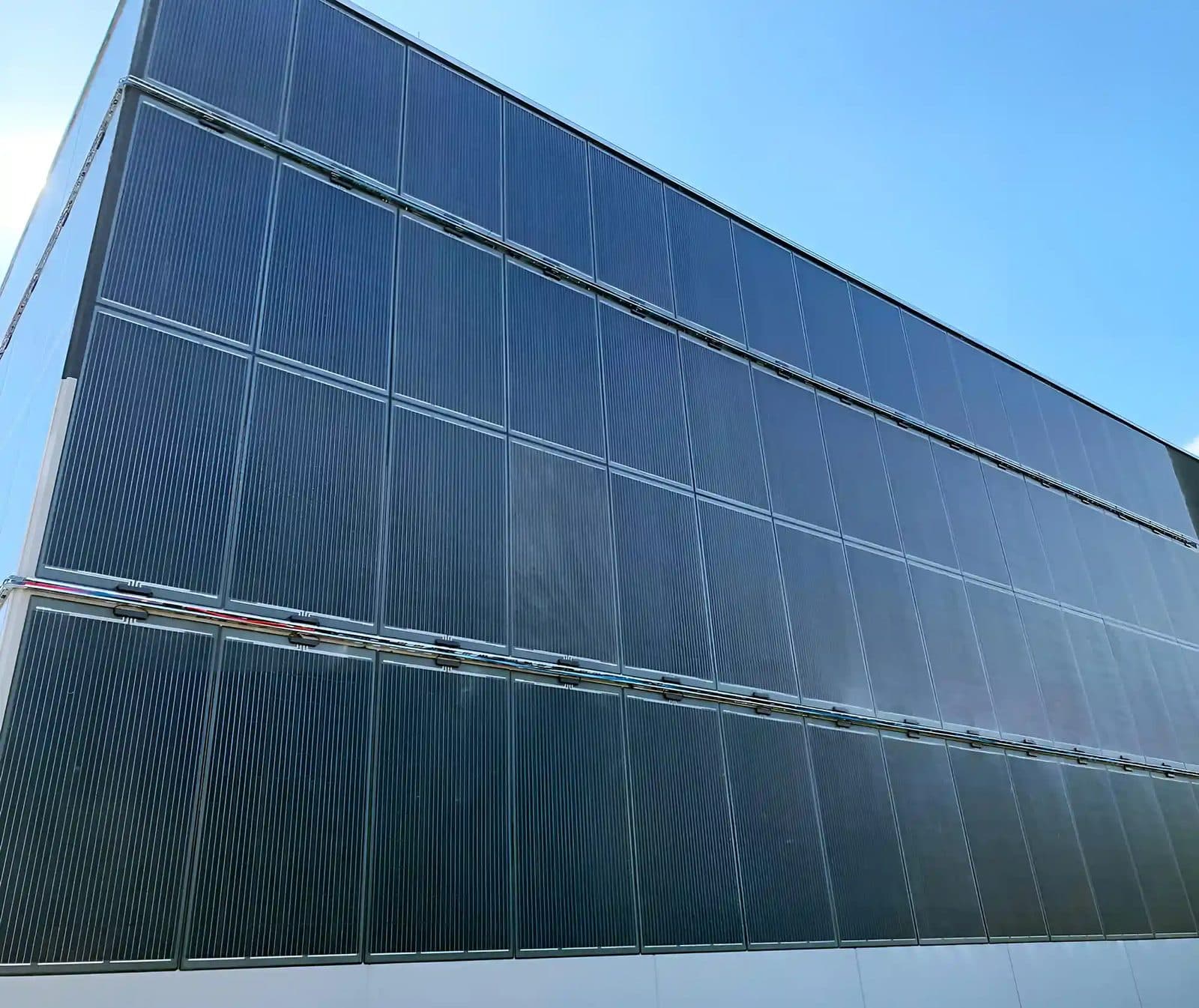
Lightweight roof and facade solutions for buildings where conventional PV reaches its limits.
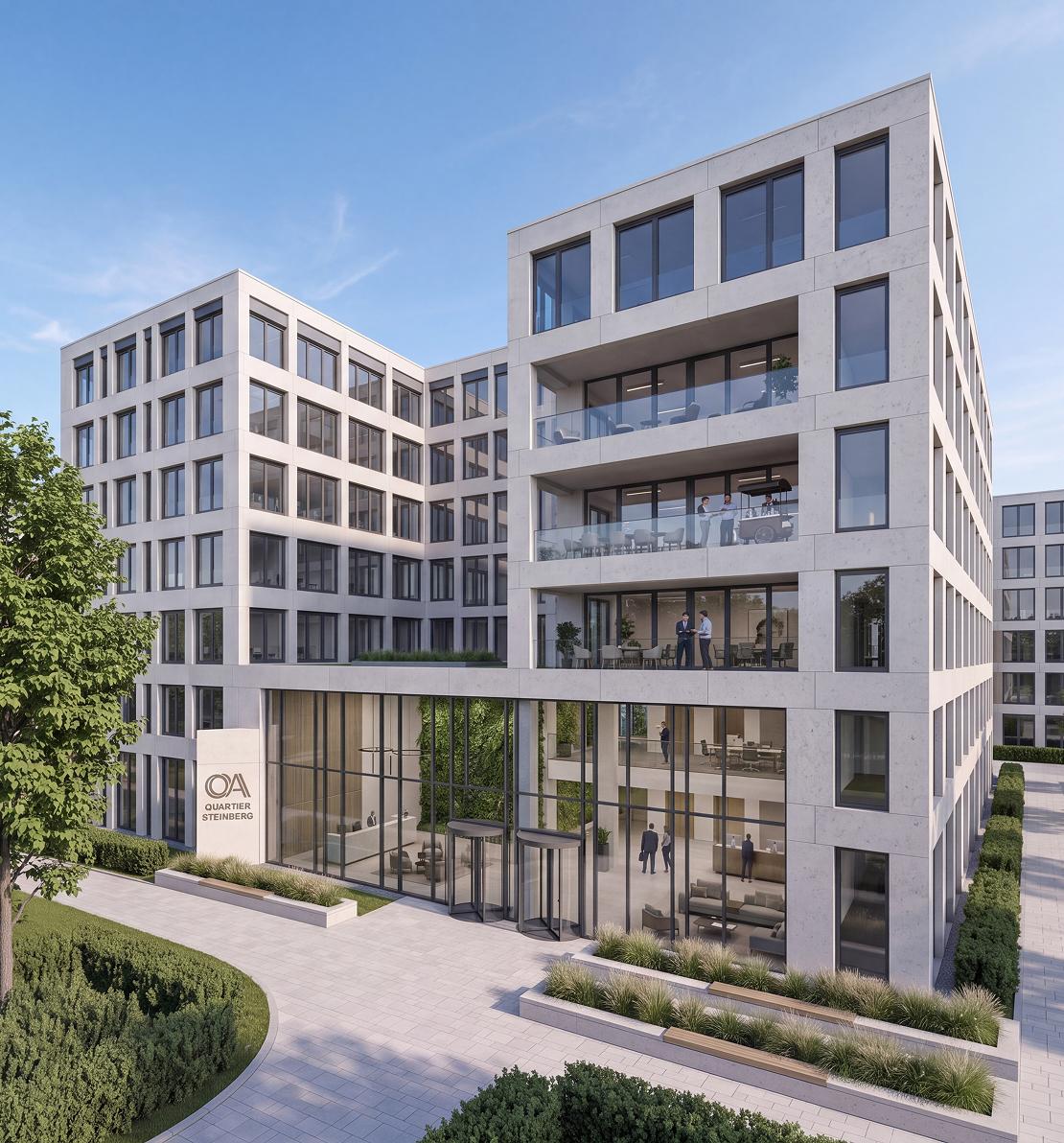
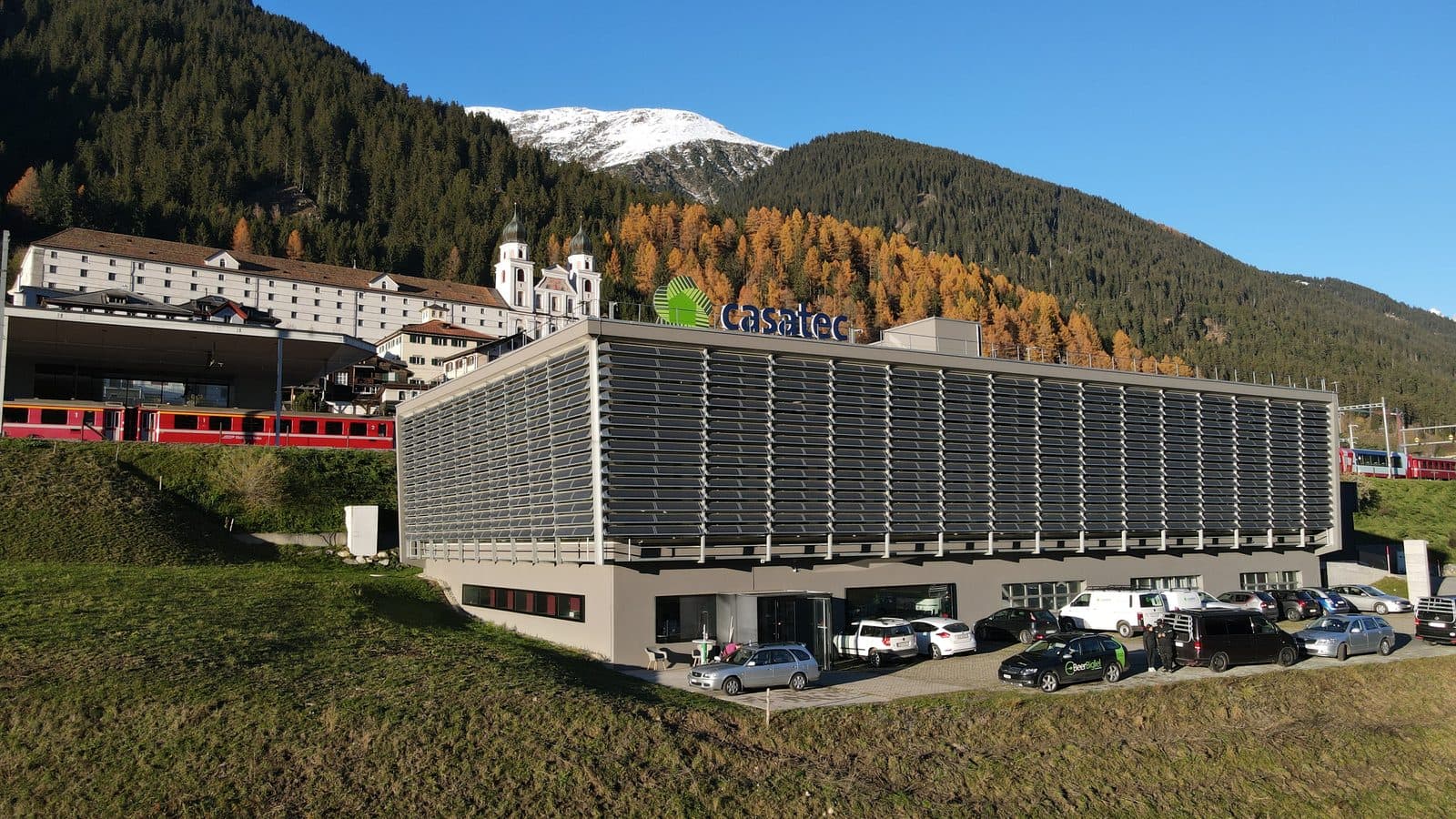
Architecture, energy generation and e-mobility intelligently connected.
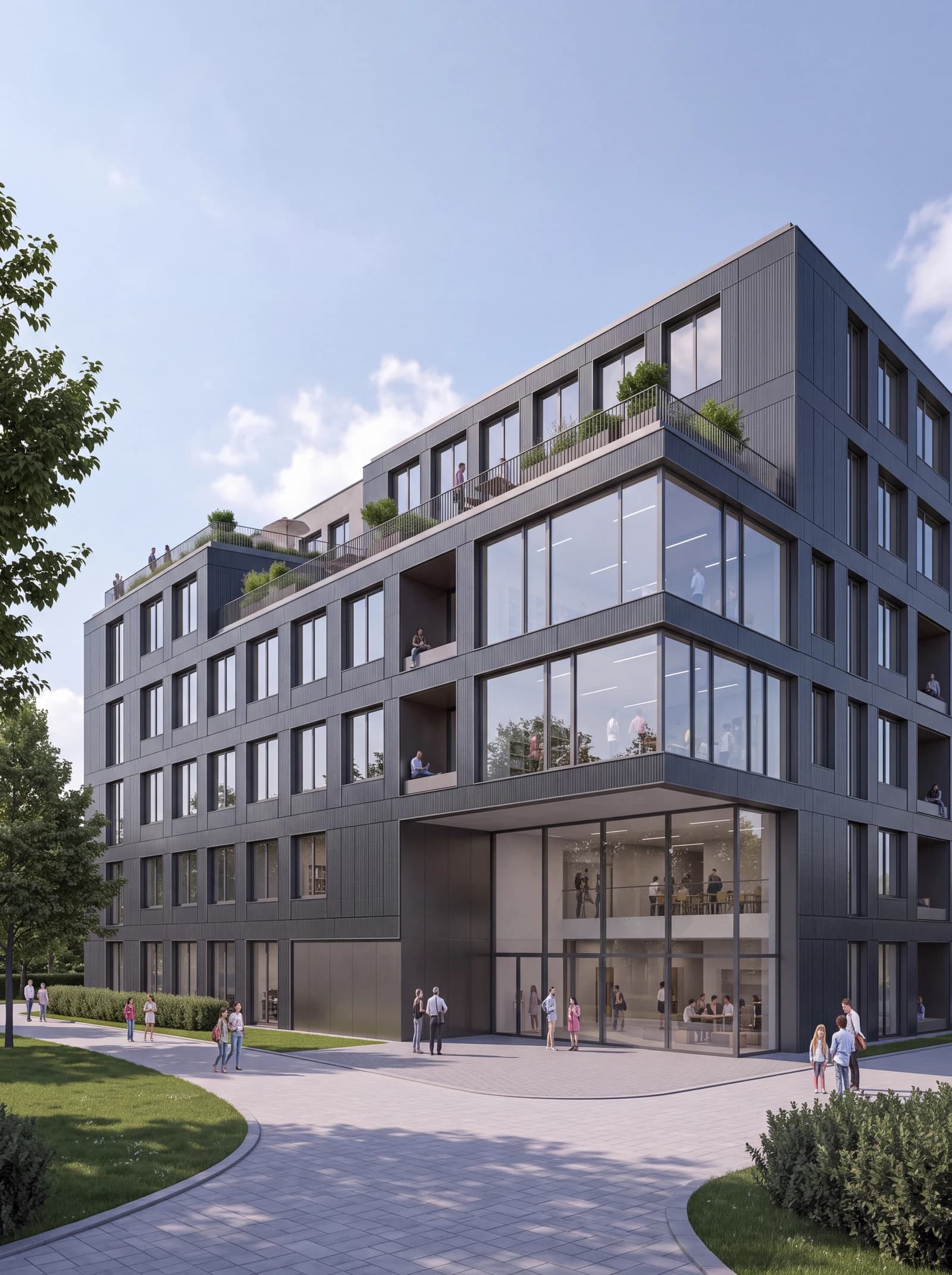
Roof and facade become part of a sustainable energy supply.
01. Analysis
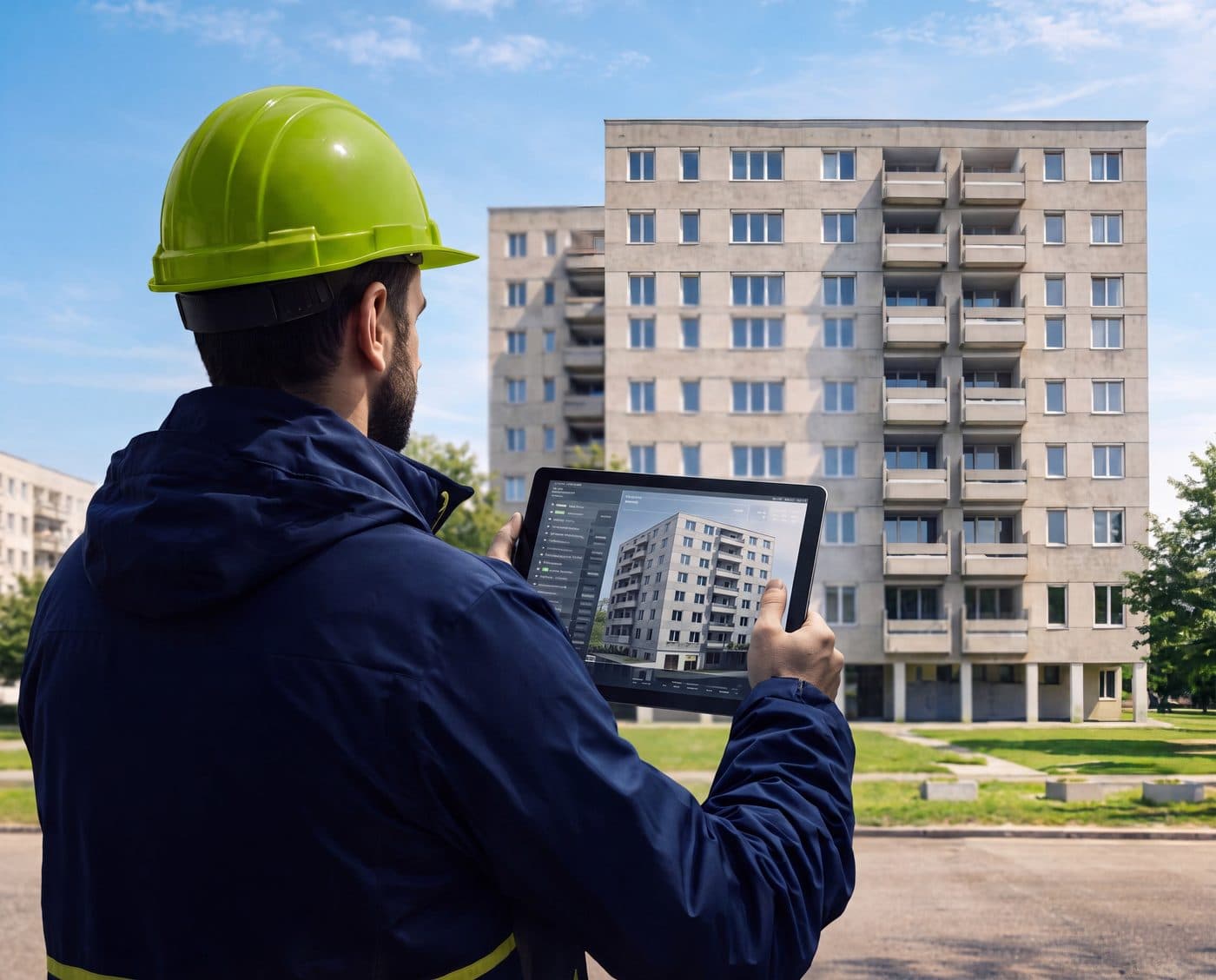
Analyse the building, its energy consumption and the available surfaces.
02. Planning
Develop the economically optimal combination of building envelope, energy generation, storage and consumption.
03. Financing
Purchase or Pay-per-Power – matched to your investment strategy and energy demand.
04. Production
High-quality photovoltaic solutions from our own development and production in Austria.
05. Implementation
Coordinated installation, electrical engineering and system integration from a single source.
06. Operation & service
Monitoring, maintenance and continuous optimisation via das.os and das.care.
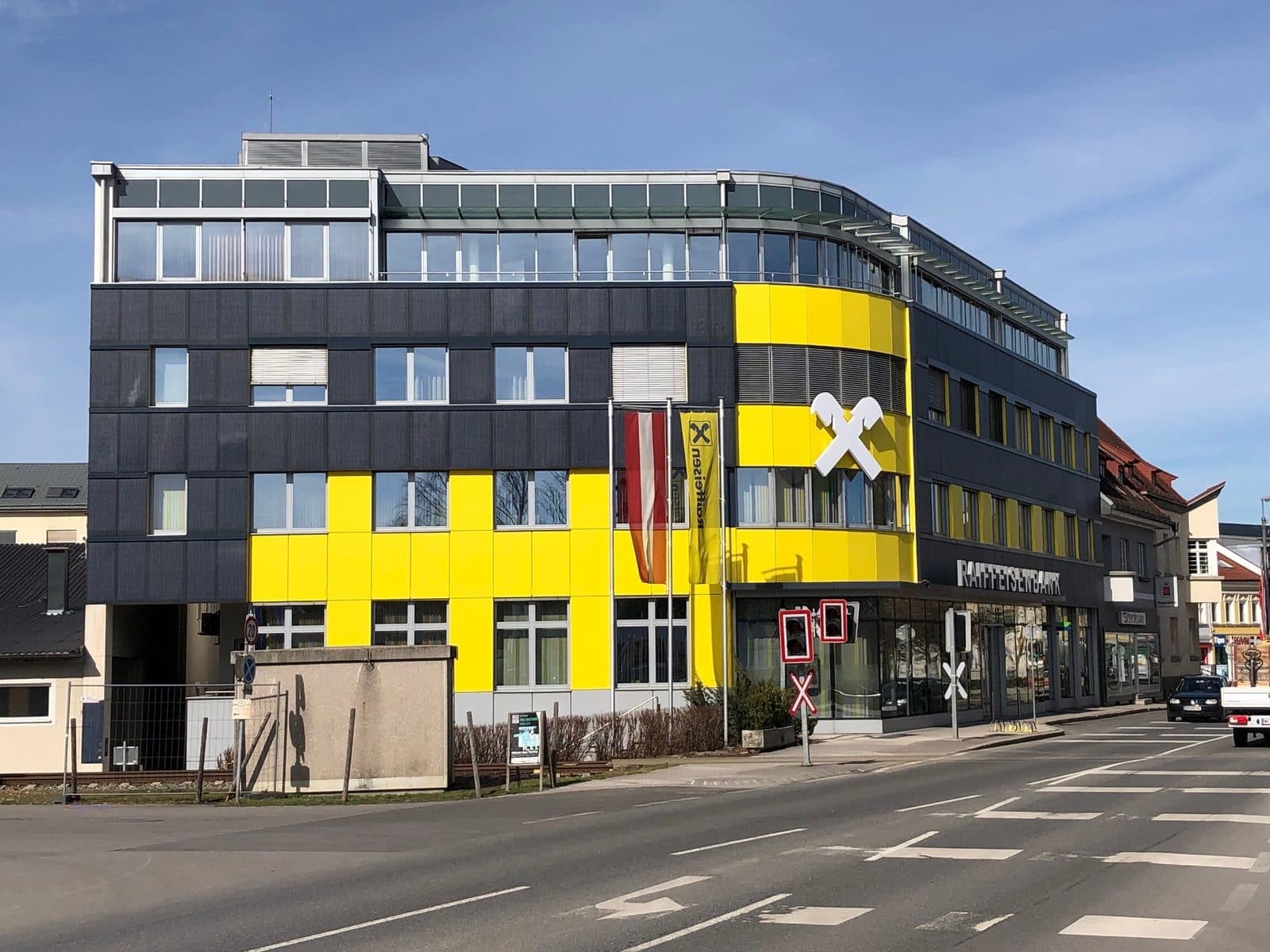
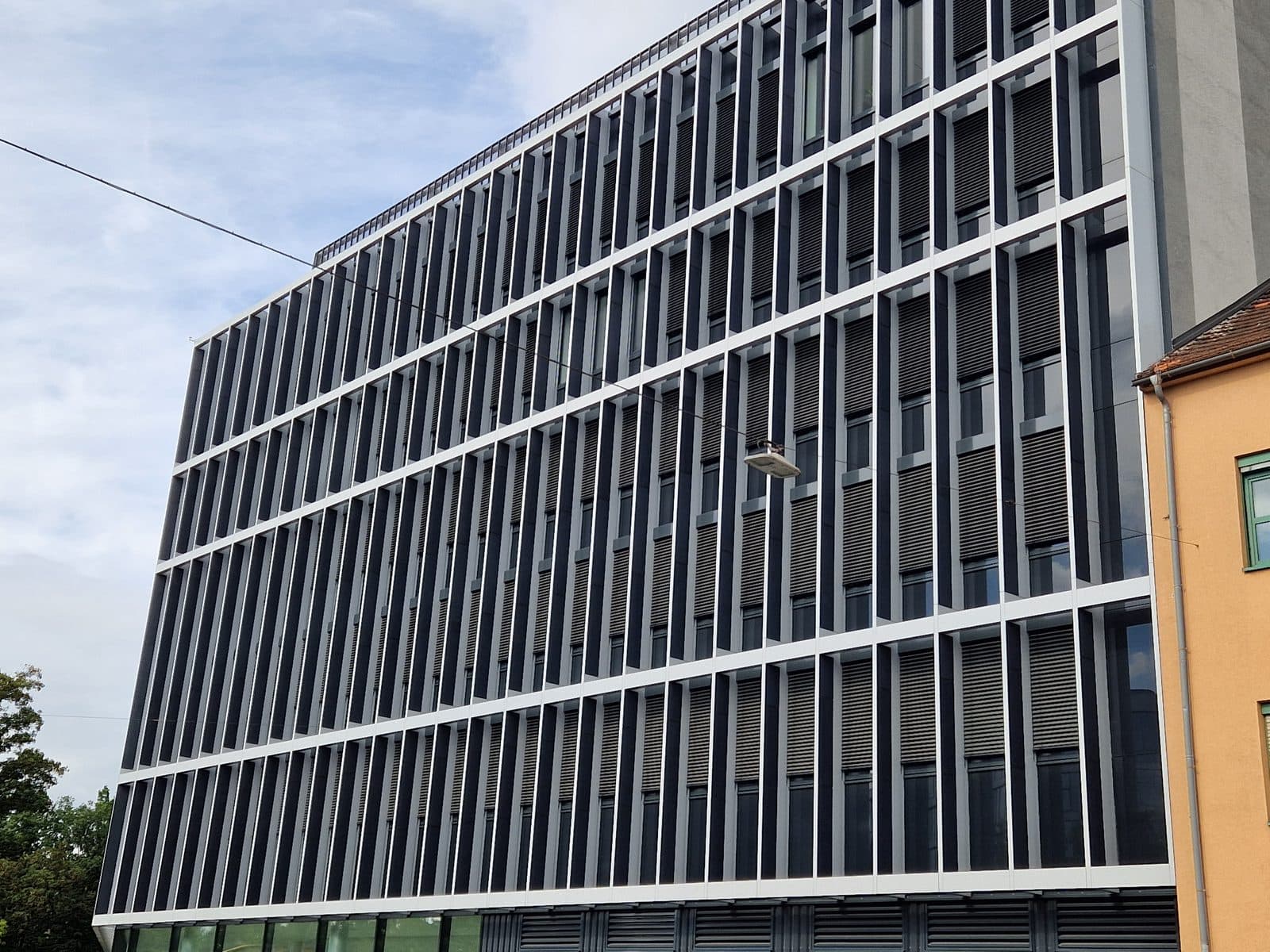
Buildings whose envelope no longer just protects, but produces – in existing buildings and new builds alike.
Tell us briefly about your project. We will call you, discuss your goals and clarify the next steps towards your free energy potential analysis.
You don't need complete project documents for your first enquiry.
Would you like to talk to us first?
Give us a call. We will answer your first questions and discuss your project.
+43 2622 35001No – orientation, substrate, shading, fire protection and structural capacity are always checked for each project. In the free energy potential analysis, we clarify these points in advance and show which areas can be activated economically.
Yes. Our modules are manufactured in Austria and can be adapted in colour, surface and format to the architectural concept – including special formats for existing grids.
Per square metre the annual yield is lower, but the yield profile is considerably more even. Facades deliver power especially in the morning and evening hours and in the winter months – exactly when consumption in the building is high.
Cabling runs concealed within the substructure and is defined together with the electrical planning. In existing buildings we use existing shafts and routes where available.
Via das.care: remote monitoring, regular inspection, cleaning and servicing. The system is continuously monitored via das.os, and deviations are reported automatically.
Yes – in fact, that is the most economical route. Scaffolding, substructure and insulation are needed anyway; the additional cost of the energy-active envelope therefore pays off considerably faster.
Depending on the federal state and system size, investment grants, tax incentives and renovation subsidies may be available. We check the programmes currently available as part of the energy potential analysis.

Personal consultation
We plan your power plant together.